





South Africa Unemployment Rises to 33.7% Despite 101,000 New Jobs

INTRO
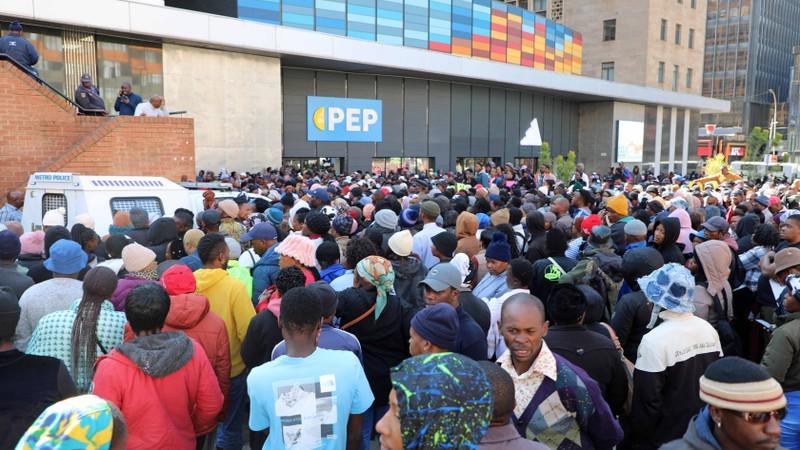
South Africa’s unemployment rate increased to 33.7% in the third quarter of 2026, despite the economy adding 101,000 jobs during the period, highlighting the continuing difficulties facing jobseekers across the country.
Statistics South Africa (Stats SA) disclosed this in its latest Quarterly Labour Force Survey (QLFS), released on Tuesday, November 10, 2026.
The official unemployment rate increased from 33.6% in the second quarter to 33.7% between July and September.
The report showed that the number of employed people increased by 101,000 to approximately 16.8 million. However, the number of unemployed people also increased by 97,000 to approximately 8.6 million.
This happened because the country’s labour force expanded by 198,000 people during the quarter, meaning the number of people entering or participating in the labour market grew faster than employment opportunities.
Why unemployment increased despite new jobs
The latest figures reveal an important challenge within South Africa’s employment market.
Although employers created additional jobs, the increase was not sufficient to absorb the growing number of people looking for work.
Stats SA also reported that discouraged jobseekers increased by 70,000 to approximately 3.7 million.
These are people who are available for employment but have stopped actively searching for jobs, often because they believe suitable opportunities are unavailable.
The figures suggest that South Africa’s employment challenge extends beyond creating jobs. The country also needs enough sustainable opportunities to accommodate people entering the labour market.
Finance, manufacturing and mining lead job creation
Some industries recorded encouraging employment growth during the third quarter.
The finance industry recorded the largest increase, adding 111,000 jobs.
Manufacturing added 33,000 jobs, while mining employment increased by 31,000.
Community and social services also recorded an increase of 20,000 jobs.
However, other sectors experienced employment losses. Private households lost 68,000 jobs, agriculture declined by 34,000, and construction recorded a reduction of 8,000 jobs.
The figures demonstrate that employment performance differed significantly across industries.
Eastern Cape records the highest unemployment rate
The provincial figures also reveal considerable differences in employment opportunities across South Africa.
The Eastern Cape recorded the country’s highest official unemployment rate at 44.3%.
Other provinces with high unemployment included:
- Free State: 39.1%
- North West: 38.1%
- Mpumalanga: 37.8%
- Gauteng: 35.7%
- KwaZulu-Natal: 33.3%
The Western Cape recorded one of the lowest unemployment rates at 19.4%.
These differences highlight the uneven distribution of employment opportunities across the country and the importance of regional economic development.
Youth unemployment remains a major concern
Young South Africans continue to face significant difficulties entering the labour market.
According to Stats SA, the unemployment rate among people aged 15 to 34 declined slightly to 47.3% during the third quarter.
The number of unemployed young people decreased by 23,000 to approximately five million.
However, youth employment also declined by 5,000 to approximately 5.5 million.
The figures show that, despite the slight improvement in the youth unemployment rate, millions of young South Africans remain without jobs.
conclusion
South Africa faces pressure to create sustainable employment
The latest unemployment figures underline the need for policies that encourage investment, business expansion and job creation.
Industries such as manufacturing, finance, mining and agriculture remain important to the country’s ability to generate employment.
However, businesses also need a supportive operating environment, reliable infrastructure and access to skills if they are to expand and employ more people.
The increase in unemployment despite additional job creation shows that South Africa’s employment challenge cannot be measured by the number of new jobs alone.
The country’s ability to create opportunities at a pace that matches the growing labour force will remain critical to reducing unemployment and improving household living conditions.