




South Africa Arrests 10th Suspect in Russia-Ukraine Recruitment Case

South Africa Arrests 10th Suspect in Alleged Russia-Ukraine War Recruitment Network
INTRO – South African authorities have arrested a 10th suspect in an ongoing investigation into the alleged recruitment of foreign nationals seeking to travel to Russia to participate in the war against Ukraine.
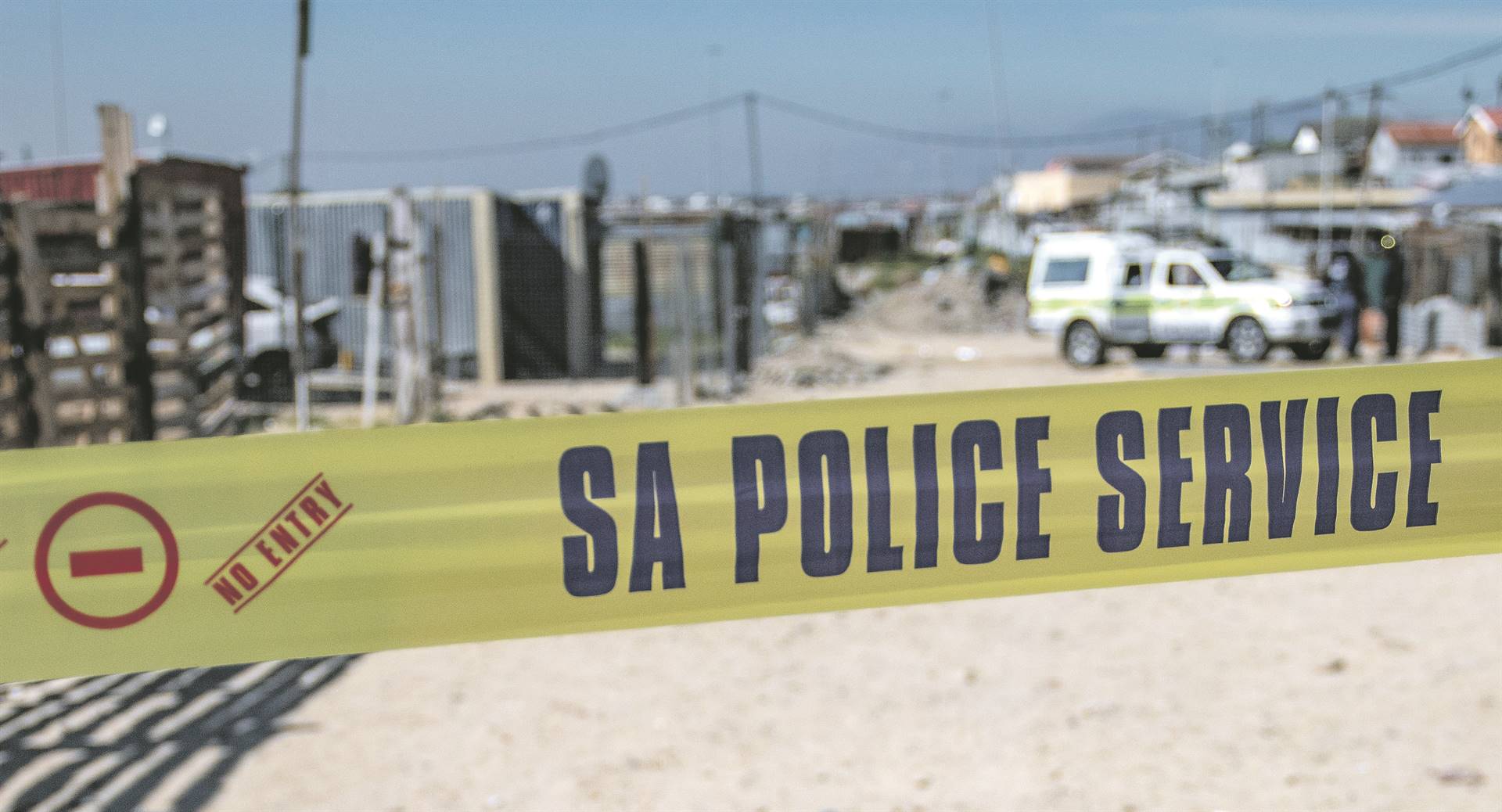
The latest arrest was made on Wednesday night, November 11, following an intelligence-driven operation involving South Africa’s Directorate for Priority Crime Investigation, popularly known as the Hawks, and other law enforcement agencies.
According to police, the 38-year-old foreign national allegedly intended to travel from South Africa to take part in the Russia-Ukraine conflict.
The suspect is expected to face charges under South Africa’s Regulation of Foreign Military Assistance Act 15 of 1998, which regulates military assistance to foreign parties and prohibits certain mercenary-related activities.
Authorities have not publicly disclosed the suspect’s identity or nationality.
Nine other suspects arrested earlier
The latest arrest follows the detention of nine foreign nationals earlier in November during an operation involving South African police, Interpol and other international law enforcement agencies.
The nine suspects were arrested at OR Tambo International Airport and a hotel in Bruma, Johannesburg, after investigators allegedly received intelligence about their plans to travel to Russia.
Police said the suspects were preparing to board flights out of the country when officers intervened.
The first nine suspects have been identified in court reporting as Zimbabwean nationals. Five appeared before the Kempton Park Magistrates’ Court, while four others were expected to appear before the Johannesburg Magistrates’ Court.
The cases have drawn attention to the growing investigation into recruitment networks allegedly arranging travel for foreign nationals seeking to join the conflict.
Concerns over recruitment of Africans
The arrests come amid growing concern about reports that Africans are being recruited to fight for Russia in Ukraine.
Some people who travelled to Russia have reportedly said they were attracted by promises of well-paid employment, security training or other opportunities before allegedly finding themselves involved in military operations.
The issue has attracted attention across the continent, with families and governments seeking information about citizens believed to have travelled to Russia and become involved in the conflict.
Zimbabwean authorities previously reported that some of their citizens had died in the war and that efforts were being made to secure the return of others.
Kenya has also raised concerns about citizens recruited to fight for Russia, with families demanding assistance in locating relatives.
These developments have increased calls for African governments to warn citizens about suspicious overseas employment offers and recruitment arrangements.
What South African law says
South Africa’s Regulation of Foreign Military Assistance Act 15 of 1998 provides a legal framework governing military assistance to foreign governments and organisations.
The legislation regulates activities such as recruitment, training and military assistance in foreign conflicts.
The current investigation is examining alleged attempts to facilitate travel from South Africa for participation in the Russia-Ukraine war.
The arrests do not, by themselves, establish that every suspect recruited fighters or committed the alleged offences. Those allegations must be tested through the legal process.
Investigation continues as authorities examine possible recruitment links
The arrest of a 10th suspect suggests that investigators are continuing to examine the circumstances surrounding the alleged recruitment operation.
Authorities are expected to establish how the individuals were contacted, whether they were offered employment or military-related opportunities, and whether other people were involved in arranging their travel.
The case also raises wider questions about how vulnerable jobseekers can be protected from deceptive international recruitment offers.
CONCLUSION :For African governments, the challenge extends beyond arrests. Public awareness, cooperation between law enforcement agencies and support for citizens who may have been deceived will remain important as investigations continue.
South African authorities have not yet publicly provided a complete account of the alleged recruitment network or confirmed how many additional people may be connected to the investigation.