



Nigerian Manufacturers Spend ₦820.7bn on Energy in 9 Months

Nigerian Manufacturers Spend ₦820.7bn on Energy in Nine Months as Power Costs Pressure Businesses
Nigerian industrial companies listed on the Nigerian Exchange Limited (NGX) spent a combined ₦820.7 billion on fuel and electricity in the first nine months of 2026, highlighting the financial burden of energy supply on manufacturers operating in the country.
The expenditure represents a 6.3 per cent increase from the ₦771.9 billion recorded during the corresponding period of 2025, according to figures compiled from companies’ unaudited financial statements.
The rising cost of energy remains a major concern for manufacturers because businesses must maintain production even when electricity from the national grid is insufficient or unreliable.
For many large industrial companies, this means spending additional money on gas, diesel, other fuels and privately generated electricity.
Dangote Cement and BUA account for most of the spending
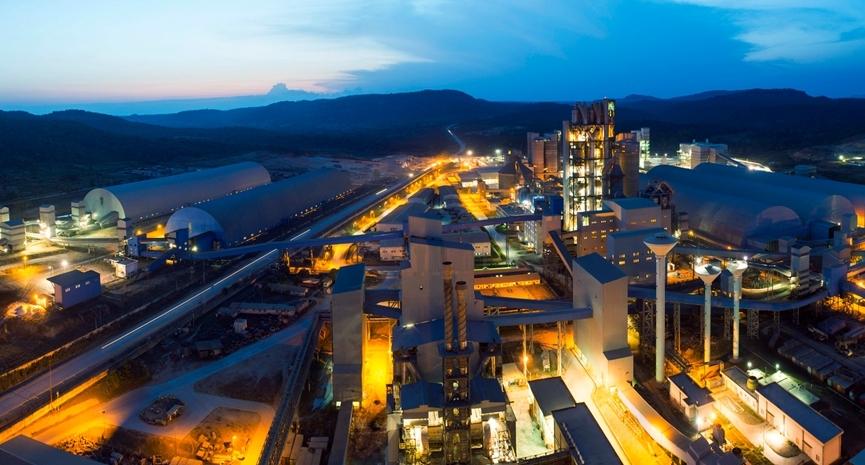
Dangote Cement Plc and BUA Cement Plc accounted for the largest share of the reported energy expenditure.
Dangote Cement recorded fuel and power costs of approximately ₦580.5 billion during the nine-month period, compared with ₦569 billion in the same period of 2025.
BUA Cement reported energy expenditure of ₦216.6 billion, representing a 21.5 per cent increase from ₦178.2 billion recorded a year earlier.
Together, the two cement manufacturers spent approximately ₦797.1 billion on energy.
Other industrial companies also reported energy-related expenses. Beta Glass recorded ₦23.2 billion, while Chemical and Allied Products reported ₦30.3 billion, according to the figures published in the industry report.
The figures show how heavily energy-intensive manufacturing operations depend on reliable and affordable power to remain competitive.
Higher energy bills do not automatically mean lower profits
Although rising energy expenditure creates pressure on manufacturers, it does not necessarily mean that every company is experiencing declining profitability.
Dangote Cement’s nine-month 2026 financial results showed revenue growth of 19.6 per cent to ₦3.77 trillion, while profit after tax increased by 31.2 per cent to ₦974.8 billion.
The company also reported that its fuel and power costs increased by only 2 per cent, despite a 9.4 per cent increase in group sales volumes.
BUA Cement also reported stronger financial performance, with revenue rising by 26.5 per cent to approximately ₦1.1 trillion and profit after tax increasing by 59.8 per cent to ₦463.1 billion.
These results suggest that some large manufacturers have been able to manage higher operating costs through increased sales, operational efficiency and changes in their energy mix.
However, smaller manufacturers may not have the same financial resources to invest in private power generation or absorb rising production expenses.
Manufacturers increasingly depend on alternative power
The national electricity supply challenge has forced many Nigerian businesses to maintain alternative sources of electricity to avoid production interruptions.
These include gas-powered plants, diesel generators and other privately operated energy systems.
According to industry figures cited in the report, Nigerian manufacturers spent approximately ₦1.34 trillion on alternative power sources in 2025, compared with ₦1.11 trillion in 2024.
The increase illustrates the additional financial burden businesses face when they cannot depend entirely on public electricity supply.
For companies operating factories, production delays can affect delivery schedules, increase operating expenses and reduce their ability to compete with imported products.
What higher production costs could mean for consumers
Manufacturers facing higher energy bills have several options, including improving operational efficiency, reducing other expenses or increasing product prices.
However, transferring all additional costs to consumers may be difficult, particularly when households are already dealing with pressure on their purchasing power.
Companies that raise prices too aggressively could lose customers, while those that absorb the costs may experience reduced margins and lower funds available for expansion.
The impact may also extend beyond large industrial companies to suppliers, distributors, employees and businesses that depend on locally manufactured products.
Reliable electricity remains important for industrial growth
Nigeria’s manufacturing sector needs a more dependable electricity system if businesses are to reduce their dependence on expensive alternative power sources.
Improved generation, transmission and distribution infrastructure could help reduce the amount companies spend maintaining private electricity systems.
However, reliable supply must also be supported by a financially sustainable electricity market that allows power producers and other operators to maintain their infrastructure.
The ₦820.7 billion expenditure reported by listed industrial companies provides another indication of the cost of operating in an environment where energy remains a major production challenge.
For manufacturers, the long-term priority is not simply reducing electricity bills but securing a dependable energy supply that allows them to expand production, compete effectively and create more jobs.