

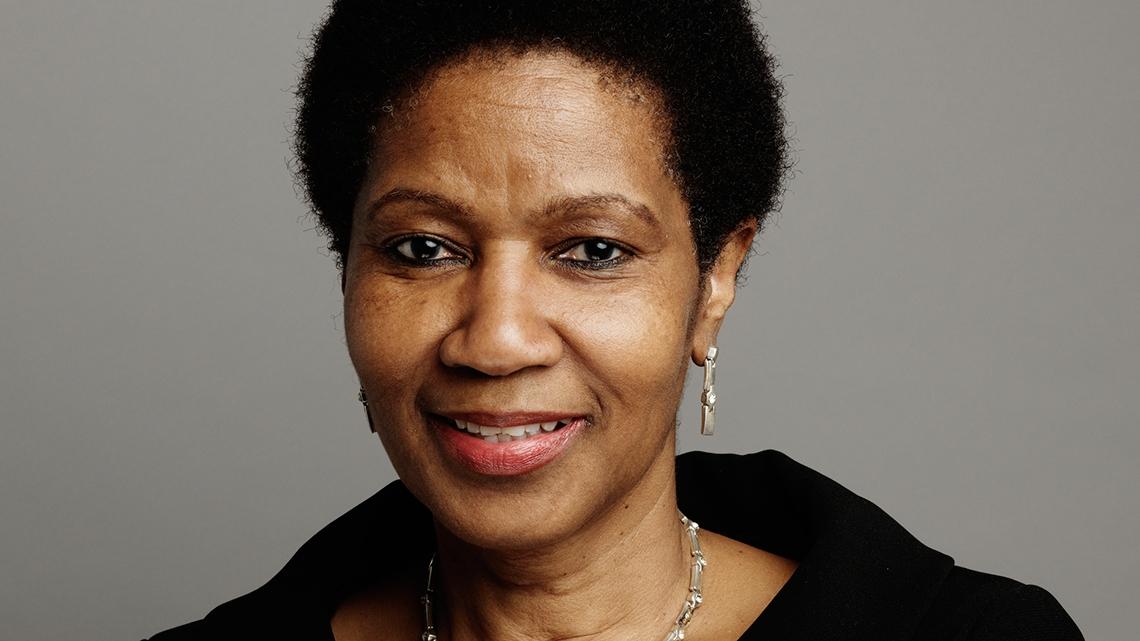
South Africa Mourns Phumzile Mlambo-Ngcuka as State Funeral Is Announced

South Africa Mourns Phumzile Mlambo-Ngcuka as State Funeral Is Announced
South Africa is mourning the death of former Deputy President Phumzile Mlambo-Ngcuka, the country’s first woman to occupy the office, following her death at the age of 71.
The former stateswoman died on Friday, November 20, 2026, following complications from a recent medical procedure, according to an announcement by the Presidency.
President Cyril Ramaphosa has confirmed that she will receive a State Funeral Category 2 on Saturday, November 28, in Middledrift, also known as eXesi, in the Eastern Cape.
The government has also scheduled a State Memorial Service for Tuesday, November 24, at Our Lady of Lourdes Catholic Church in Rivonia, Johannesburg.
Her death has prompted tributes from political leaders, Parliament, international organisations and institutions that worked with her during her years in public service.
Mlambo-Ngcuka was widely recognised for breaking barriers in South African politics and later becoming an influential international advocate for women’s rights and gender equality.
Government Confirms State Funeral Category 2
President Ramaphosa confirmed the funeral arrangements in a statement issued on November 21.
The State Funeral Category 2 designation is prescribed under South Africa’s State, Official and Provincial Official Funeral Policy for tributes to current and former deputy presidents.
The funeral will include ceremonial elements performed by the South African National Defence Force.
The President has also directed that the national flag be flown at half-mast at flag stations throughout the country from Sunday, November 22, until the evening of Saturday, November 28.
The family separately confirmed that the memorial service would take place at 2pm on Tuesday, November 24, at Our Lady of Lourdes Catholic Church in Rivonia.
The final farewell will take place in Middledrift in the Eastern Cape on November 28.
The arrangements are intended to honour her contribution to South Africa and provide an opportunity for the country to pay its respects.
South Africa’s First Woman Deputy President
Mlambo-Ngcuka made history in 2005 when she became South Africa’s first female Deputy President.
She served in the position until 2008, during a significant period in the country’s democratic political development.
Before becoming Deputy President, she held several important government positions, including Deputy Minister of Trade and Industry and Minister of Minerals and Energy.
As Minister of Minerals and Energy, she played a major role in the transformation of South Africa’s mining sector.
Her period in the ministry included the introduction of the Mineral and Petroleum Resources Development Act of 2002 and the development of the country’s first Mining Charter.
The reforms sought to change the ownership and management of mineral resources while expanding opportunities for historically disadvantaged South Africans.
The Minerals Council South Africa has since acknowledged her contribution to the transformation of the mining industry, describing her tenure as an important period in the sector’s development.
After leaving South Africa’s deputy presidency, Mlambo-Ngcuka continued her public service career on the international stage.
In August 2013, she became Executive Director of UN Women, the United Nations organisation responsible for advancing gender equality and the empowerment of women and girls.
She also served as a United Nations Under-Secretary-General, holding the position until August 2021.
During her time at UN Women, she championed initiatives aimed at improving women’s participation in leadership, strengthening economic opportunities and addressing violence and discrimination against women.
One of the initiatives associated with her leadership was the HeForShe campaign, which encouraged men and boys to participate in efforts to achieve gender equality.
She also helped lead the Generation Equality process, which sought stronger commitments and investment from governments, organisations and civil society.
Her international work gave her a prominent role in discussions about women’s rights, political representation and economic inclusion.
An Educator Who Supported Better Learning Opportunities
Beyond politics and international diplomacy, Mlambo-Ngcuka maintained a strong interest in education.
An educator by profession, she founded the Umlambo Foundation, an organisation focused on supporting teachers and improving learning opportunities for pupils.
Her commitment to education reflected her belief that developing teachers and improving learning conditions were essential to expanding opportunities for young people.
She later completed a doctorate at the University of Warwick in 2013, focusing on the use of mobile technologies to support teacher development in resource-poor countries.
Her education work remains another important part of her public-service legacy.
Parliament Pays Tribute to Her Contribution to Democracy
South Africa’s Parliament has described Mlambo-Ngcuka as a courageous activist and an important figure in the country’s democratic development.
She was among the first generation of lawmakers to serve in democratic Parliament after the end of apartheid.
She also served in the Constitutional Assembly, contributing to the process that produced South Africa’s democratic Constitution.
During her parliamentary career, she chaired the Portfolio Committee on Public Service and Administration.
Parliament’s presiding officers, Thoko Didiza and Refilwe Mtshweni-Tsipane, expressed sadness over her passing and acknowledged her contribution to social justice, human dignity and women’s empowerment.
The African Union Commission also paid tribute to her international work, particularly her efforts to promote women’s participation in peace negotiations and decision-making.A Legacy of Breaking Barriers
Mlambo-Ngcuka’s political career reflected several important periods in South Africa’s democratic transition.
From her early parliamentary work to her ministerial responsibilities and historic appointment as Deputy President, she occupied positions that shaped national policy and public administration.
Her later leadership at UN Women expanded her influence beyond South Africa, placing her among the prominent international voices advocating gender equality.
Her death leaves behind a record of public service that spans national politics, mining-sector transformation, education and international diplomacy.
As South Africans prepare to honour her at the memorial service and state funeral, attention will also turn to the institutions and initiatives she helped establish and the opportunities she advocated for women and girls.
The country will hold its State Memorial Service on November 24 before her final farewell in the Eastern Cape on November 28.