
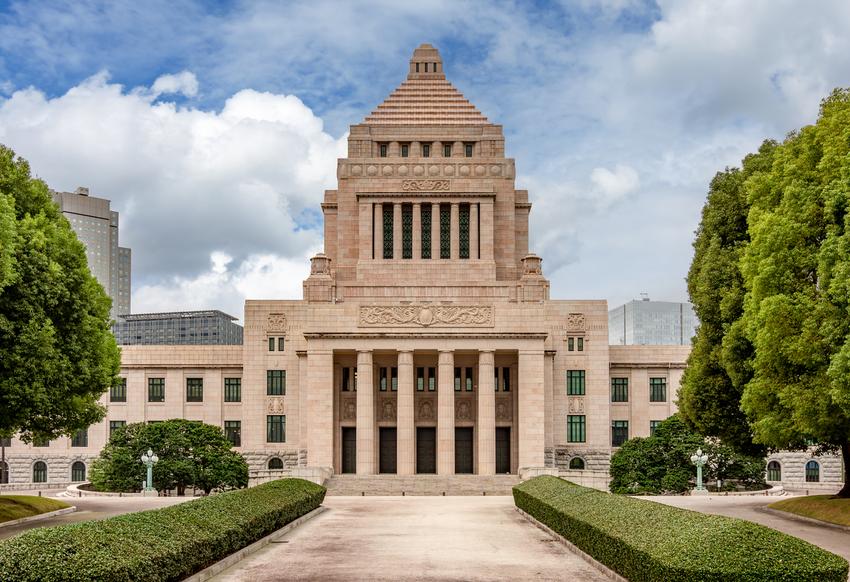
Japan’s parliament building in central Tokyo is preparing for its most substantial overhaul since its construction nearly a century ago, driven by growing concerns about its structural resilience in one of the world’s most seismically active countries.
Work on the National Diet Building is scheduled to commence in the 2030 fiscal year and is expected to run for approximately eight years. Planners aim to preserve the structure’s historically significant interiors and exteriors throughout the process, while keeping disruption to active parliamentary sessions to a minimum.
The project remains in its detailed planning phase and carries a current price estimate of between 60 and 70 billion yen — roughly $382 to $446 million — though officials acknowledge that figure could rise given the upward pressure on construction material costs in recent years. A key feature of the renovation will be the installation of a seismic isolation layer beneath the building’s foundations, a technique that will allow parliamentary business to continue while work is carried out overhead.
A Building Steeped in History
Completed in 1936 after roughly 17 years of construction, the Diet Building is one of Tokyo’s most recognisable landmarks, distinguished by its granite exterior and pyramid-capped central tower. It originally housed the Imperial Diet before transitioning to its current role under Japan’s postwar constitutional order.
The reinforced concrete structure spans approximately 53,460 square metres across three above-ground floors and a basement level, and contains chambers for both the House of Representatives and the House of Councillors. Its nine-storey central tower rises about 65 metres, with stained glass adorning the windows and ceiling of the hall below. Among its more refined interior spaces is a reception room reserved for imperial visits, crafted entirely from Japanese cypress and finished with lacquer.
Safety Concerns Prompt Action
A structural inspection conducted in 1981 found the building compliant with seismic standards that had been updated around that period. However, fresh scrutiny followed a 2019 expert panel review that flagged deterioration risks linked to the structure’s age.
A subsequent report issued in 2023 identified the risk of falling debris resulting from warping in the steel frames of the central tower and legislative chambers, and called for a comprehensive renovation to bring the building’s earthquake resistance up to modern standards.
As one parliamentary official put it, the ability to sustain core governmental functions — even in the event of a major earthquake directly beneath the capital — is the driving imperative behind the project.