
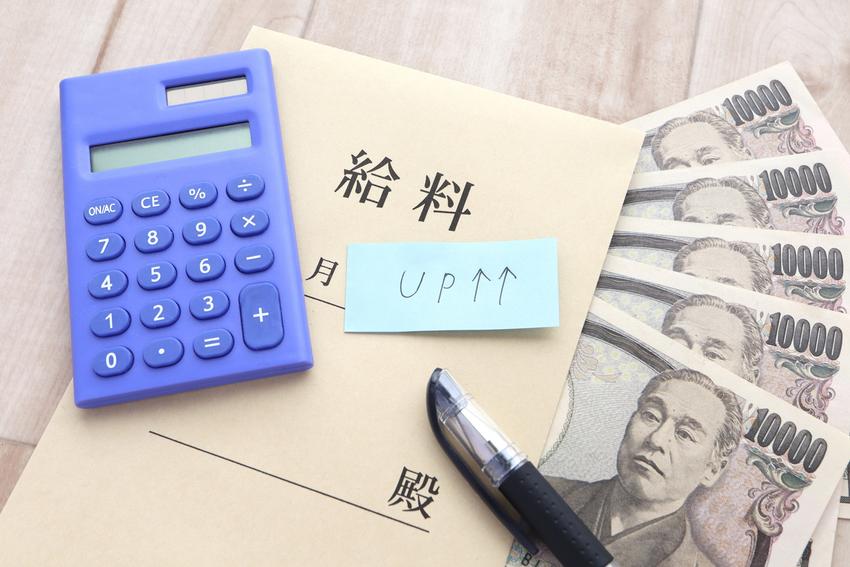
Japan’s inflation-adjusted wages grew by 1.0 percent year-on-year in March, marking the third consecutive month of real wage increases as companies with healthy profit margins work to attract and retain workers through competitive pay — though growth did ease compared to the previous month, according to government figures released Friday.
Nominal wages, covering base salary, overtime, and other cash payments, climbed 2.7 percent to an average of 317,254 yen per worker, extending a run of growth that has now lasted 51 straight months, the Ministry of Health, Labor and Welfare reported. Within that figure, scheduled pay — which includes base salaries and family allowances — rose 3.2 percent to 271,313 yen, sustaining growth of 3.0 percent or above for three months running for the first time in over three decades.
Consumer prices, meanwhile, rose 1.6 percent, remaining below the 2 percent mark for a third consecutive month, partly aided by government subsidies on utility and gas costs.
However, with real wage growth cooling from February’s upwardly revised 2.0 percent, attention is turning to whether household spending — which makes up more than half of Japan’s GDP — will hold up in the months ahead.
A weaker yen, combined with the ongoing US-Iran conflict and rising crude oil prices, is expected to intensify inflationary pressure by pushing up import costs. Businesses are responding by raising the prices of goods and services while seeking supply alternatives outside the Middle East. A ministry official noted that no major impact from the regional conflict has been observed so far, but said the situation is being closely watched.
Should the Middle East crisis drag on, it could strain business conditions and test companies’ commitments — made during annual labour negotiations — to deliver meaningful pay increases in the fiscal year beginning April.
The Bank of Japan, which is weighing the timing of a potential interest rate hike as it pursues stable 2 percent inflation, is monitoring whether price rises are being underpinned by wage growth and domestic demand. The central bank held rates steady at its April meeting to assess the fallout from the Middle East situation, while flagging the risk that inflation could overshoot if the trend of companies raising both wages and prices continues to gain momentum.