
Japan rolled out the “blue ticket” (aoikippu) system on April 1, treating cyclists more like drivers with on-the-spot fines up to 12,000 yen for offenses like running red lights, phone use, umbrella handling, or riding against traffic. Unpaid fines can escalate to criminal charges, applying to riders 16 and older.
Fraud Incidents EmergeJust two weeks in, scammers have exploited confusion in four regions: On April 4 in Kure, Hiroshima, a high schooler paid 2,000 yen to a fake cop for improper turn signals. Days later, a 43-year-old in Oyama, Tochigi, lost 15,000 yen for an alleged red light violation, only realizing the scam after alerting real police.
Teens Targeted WidelyIn Muroran, Hokkaido (April 13), two men tried shaking down a junior high student for 5,000 yen over signals, fleeing when he demanded badges. That night in Kagoshima City, another high schooler handed over 6,000 yen under pressure, warned he’d owe interest via bank transfer.
Geographic Spread Signals TrendIncidents span Hiroshima, Tochigi, Hokkaido, and Kagoshima, hinting at copycat schemes nationwide as cyclists adjust to the rules amid limited bike infrastructure.
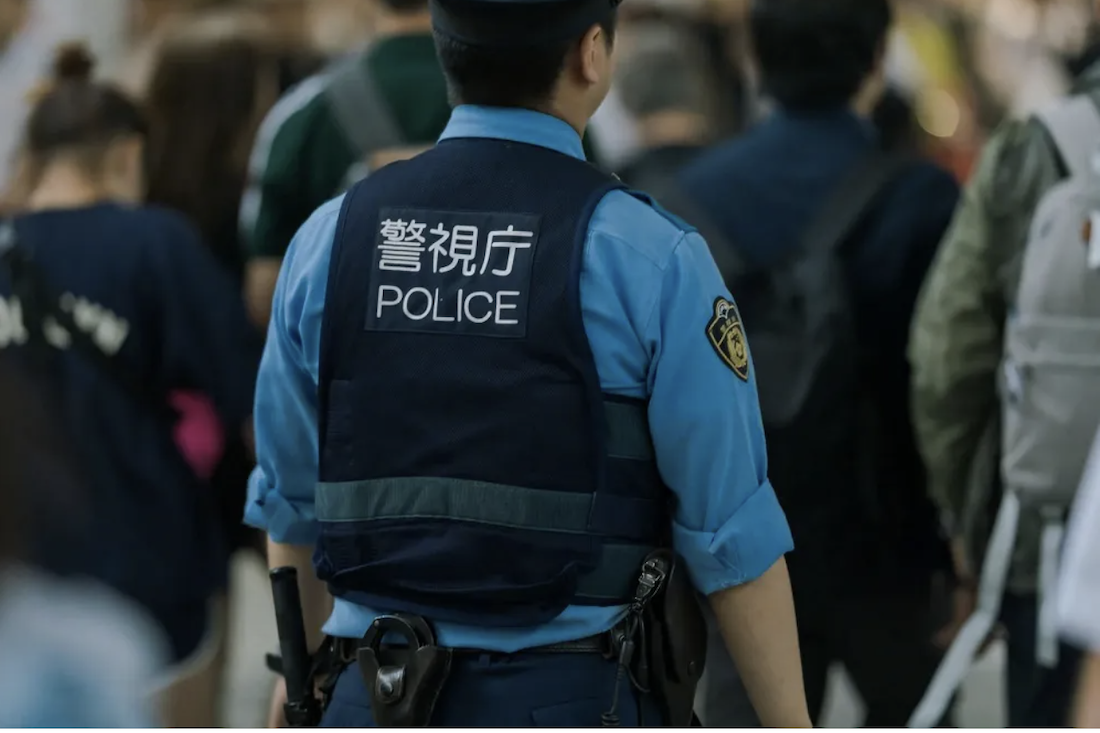
There are a few common elements to the incidents, which serve as things to be on the lookout for to protect yourself from falling victim to these schemes. First, and most importantly, the actual police will never ask you to pay a blue ticket fine on the spot.
Following the scams, multiple police departments have put out reminder statements that on-the-spot payment isn’t allowed, and you’re supposed to instead pay at either a post office or bank.Second, in none of the incidents were the scammers wearing police uniforms or riding in official patrol cars.
While Japan does have plainclothes detectives and unmarked police vehicles, they aren’t normally used for traffic duty. It’s highly unlikely that any jurisdiction would approve of undercover tactics for enforcing the new bicycling rules, and failure to produce a badge after claiming to have the authority to issue fines is another certain sign that you’re dealing with a scammer.A legitimate blue ticket stop should involve a badge but no cash, not the other way around.It’s also worth noting that three of the scams involved failure to use hand signals. Technically, these are required under the new regulations.
Cyclists are supposed to indicate turns (an arm extended to the side for a turn in that direction, or bent at the elbow with the fingertips pointing upwards for a turn in the opposite direction) and stops (extended with the fingertips pointing down and palm facing back), and with a fine of 5,000 yen for failing to comply.
However, with one of the criteria for the issuance of blue tickets being that the behavior is unsafe, hand signals are in a gray area in that they require taking a hand off of the handlebars, so strict compliance could be considered a safety hazard for the rider. It’s perhaps for that reason that the hand signal requirement is being less emphasized in public awareness campaigns and posters than many of the other new rules.
Not using hand signals seems like one of the technical infractions that police officers are most likely to let slide, and the comparative lack of pressure to comply by the rule might also make it an attractive excuse for scam artists to demand payment.