
At least 43 people have been killed and 18 others wounded in an attack targeting villages, Orthodox Christian churches and homes in Ethiopia’s Oromia region, according to residents and a conflict monitoring organisation.
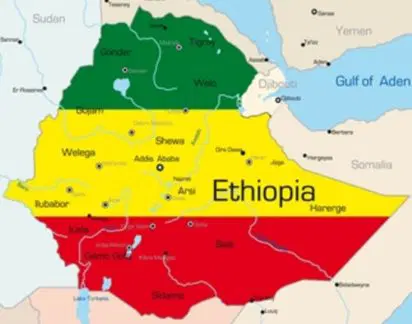
The attack took place on Saturday in Shirka district, located about 270 kilometres south of the Ethiopian capital, Addis Ababa. Residents and the Armed Conflict Location and Event Data project, ACLED, reported the casualty figures to AFP on Monday, while local accounts suggested the actual death toll could be higher.
ACLED said the attack appeared to be religiously motivated and was directed at Orthodox Christians. The organisation added that the violence triggered clashes with local militias, which continued through Saturday afternoon and evening.
A resident, who spoke to AFP by telephone and requested anonymity for security reasons, said two members of his family were killed in the attack. He also said several relatives were taken hostage in Chole ward of Shirka district.
“My sister and uncle were killed, and several of my relatives were taken hostage in Chole ward of Shirka district,” the resident said.
He estimated that 44 people had been killed, while another local source put the death toll at 51. A deacon from one of the affected Orthodox churches also said the killings had left the community deeply shaken, estimating the number of victims at 46.
“We are deeply shocked by these tragic killings and are appealing to the government to intervene and restore security,” the deacon said.
He added that many residents fled to nearby churches for safety after the attack, as fear spread across the affected villages. Some residents reportedly remained displaced, while others were searching for missing relatives following the violence.
The state-run Ethiopia Human Rights Commission said it was monitoring the situation but did not immediately provide details on the number of casualties or the identity of those responsible for the attack.
Oromia is Ethiopia’s largest region, with a population of about 40 million people. The region has experienced years of insecurity linked to an insurgency, communal tensions and disputes over political representation.
The area is also home to Muslim, Protestant and Orthodox Christian communities, and religious differences have at times been exploited to mobilise armed groups. ACLED said attacks against Orthodox Christians in the region had increased since February 2023, with a further escalation recorded since last year.
It remains unclear whether the latest attack was carried out by the Oromo Liberation Front, the main insurgent group operating in the region. The group has previously been linked to violence in parts of Oromia, although it has not been confirmed as responsible for the latest killings.
The attack has renewed concern over the safety of civilians and religious communities in conflict-affected parts of Ethiopia. Religious leaders and residents have called for urgent government intervention to prevent further violence and protect vulnerable communities.
Human rights groups have repeatedly warned that attacks on civilians, places of worship and homes could deepen ethnic and religious divisions if not addressed promptly. They have urged authorities to investigate the killings, hold perpetrators accountable and provide support to survivors and displaced families.
Ethiopia is currently dealing with multiple internal conflicts, including renewed fighting in the northern Tigray region last month. The country’s security challenges have been worsened by limited media access, making it difficult to independently verify casualty figures and the full scale of violence in remote areas.
The latest attack in Shirka district adds to concerns that violence in Oromia may be spreading beyond political and ethnic disputes into religiously targeted attacks. Analysts say failure to address the underlying grievances could further destabilise the region and worsen humanitarian conditions.
Authorities are expected to launch an investigation into the incident, identify those responsible and strengthen security around churches, villages and other vulnerable communities. The government is also under pressure to ensure that displaced residents can return safely and that victims receive medical care and humanitarian assistance.
As investigations continue, residents and religious leaders are calling for immediate action to restore peace, protect civilians and prevent a repeat of the deadly attack.