
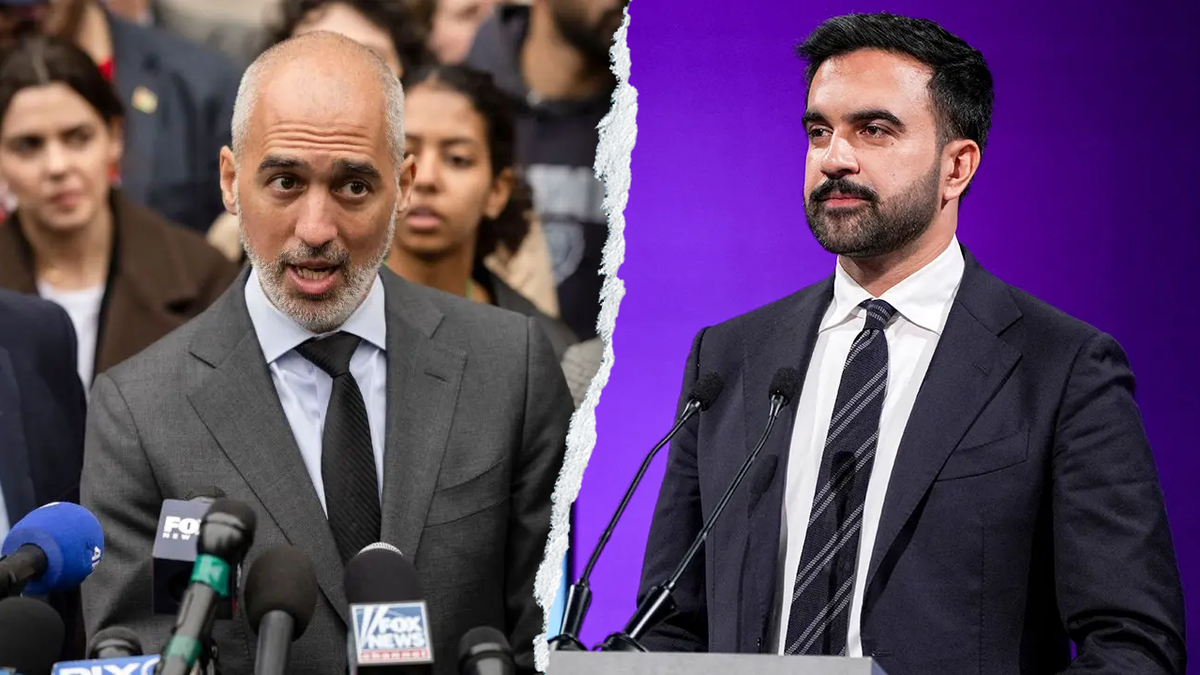
NYC Mayor Mamdani Picks Ex–Al-Qaeda Lawyer as Chief Counsel
New York City Mayor Zohran Mamdani’s decision to appoint a lawyer who once defended an Al-Qaeda terrorist has ignited a fierce backlash, reopening raw wounds in a city still shaped by the trauma of 9/11. The move, combined with Mamdani’s decision to take his oath of office on the Quran, is being hailed by some as a milestone of pluralism and condemned by others as a painful break with the “Never Forget” ethos that has defined a generation of New Yorkers.
Former Al-Qaeda Lawyer Named Chief Counsel
Newly elected Mayor Zohran Mamdani has selected Ramzi Kassem, a prominent civil liberties attorney and law professor, to serve as New York City’s chief counsel, one of the most powerful legal posts in city government. Kassem previously represented Ahmed al‑Darbi, a confessed Al-Qaeda member who pleaded guilty for his role in the 2002 bombing of the French oil tanker MV Limburg, an attack that killed one civilian and injured several others.
Kassem built his career on national security and civil liberties cases, often representing Muslim clients and others caught up in counterterrorism dragnets after 9/11. His supporters emphasize that he worked within the U.S. legal system, arguing that even those accused of terrorism are entitled to a robust defense under American constitutional principles.
A City That Said “Never Forget”
For many critics, the symbolism of elevating a former Al-Qaeda defender in a city that lost nearly 3,000 people on September 11, 2001, is hard to separate from the horror of that day. They argue that choosing Kassem for such a senior role sends the wrong message to families of 9/11 victims and to New Yorkers who still see Al-Qaeda as synonymous with the worst attack ever carried out on American soil.
Opponents frame the appointment as a stark departure from the “Never Forget” sentiment that has long shaped New York’s civic identity, saying the city’s leadership is turning away from a shared memory that once united its residents. Supporters counter that “Never Forget” should not be used to undermine fundamental legal rights or to stigmatize lawyers who uphold due process, even in the most unpopular cases.
Mamdani’s Quran Oath Sparks Debate
The controversy intensified when Mamdani, who is Muslim, chose to take his mayoral oath of office on the Quran rather than the Bible or a nonreligious affirmation. The choice is fully consistent with American law and tradition, which allow officials to swear on any sacred text—or none at all—but it has nevertheless become a lightning rod in the broader cultural and political fight surrounding his administration.
Backers of the mayor say the oath reflects the religious diversity of New York City and underscores that public office is open to Americans of all faiths. Critics view the Quran oath, combined with the Kassem appointment, as evidence of an administration they see as out of step with the city’s post‑9/11 sensibilities and too willing to embrace figures linked, however indirectly, to America’s enemies.
A Collision of Narratives
The uproar over Mamdani’s early moves reveals a deeper clash over what New York City represents nearly a quarter century after 9/11. One narrative prioritizes security, memory of the attacks, and skepticism toward anyone associated with Al-Qaeda cases, even in a legal capacity. The other centers on civil liberties, immigrant representation, and religious freedom as defining features of the city’s future.
As the new administration takes shape, the battle over Ramzi Kassem’s role and Mamdani’s oath is likely to become a test case for how New Yorkers reconcile those competing visions of justice, identity, and remembrance in the years ahead.