
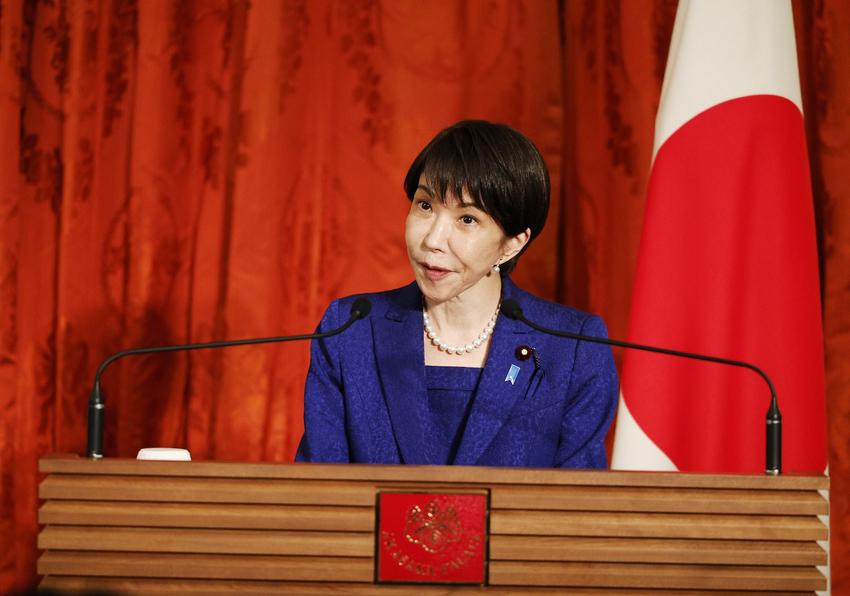
More than two months after the Liberal Democratic Party’s (LDP) landslide general election win, a string of local defeats is rattling ruling party lawmakers—even as Prime Minister Sanae Takaichi maintains strong approval ratings.
LDP members blame local factors in gubernatorial and mayoral races, but the losses of backed candidates have sparked soul-searching ahead of next spring’s unified elections, where Takaichi’s popularity faces its biggest test.
In Shiga Prefecture, the LDP’s local chapter opted against challenging the three-term incumbent governor this summer. “We cannot fight a losing race under current circumstances,” a senior official said. LDP headquarters had urged them to skip the “competitive race,” a source confirmed.
This caution risks stalling local momentum as Takaichi pushes to solidify her party for ongoing victories into next year.
Post-Feb. 8 House of Representatives triumph, LDP-supported candidates faltered in key races: Ishikawa’s gubernatorial election (where Takaichi stumped for the incumbent), Tokyo’s Nerima Ward mayoral contest (despite Tokyo Gov. Yuriko Koike’s backing), and Kama town’s mayoral race in Fukuoka—home turf of LDP Vice President Taro Aso, who helped elevate Takaichi.
The trend signals voter fatigue with the status quo, LDP Secretary General Shunichi Suzuki told reporters. “We need to carefully analyze sentiment.”
Yet some downplay it. Executive Acting Secretary General Koichi Hagiuda insisted each race has unique local dynamics, rejecting a blanket “LDP defeat” narrative.
Six months in, Takaichi’s high ratings secured an LDP supermajority in the lower house, despite prior scandals. She’s leveraged this for bold policies, though critics call her style high-handed—evident in ramming through the state budget.
Preparing for Unified Elections
The LDP is gearing up for spring’s quadrennial unified polls, which cluster local races to cut costs and lift turnout. “Poor local results will weaken our organization and doom the 2028 House of Councillors election,” Takaichi warned local executives in early April.
The upper house is pivotal: LDP and Japan Innovation Party allies lack a majority in the 248-seat chamber despite lower house control.
Key Challenges Ahead
Takaichi grapples with soaring living costs, worsened by the Iran war’s energy disruptions—a top voter worry.