
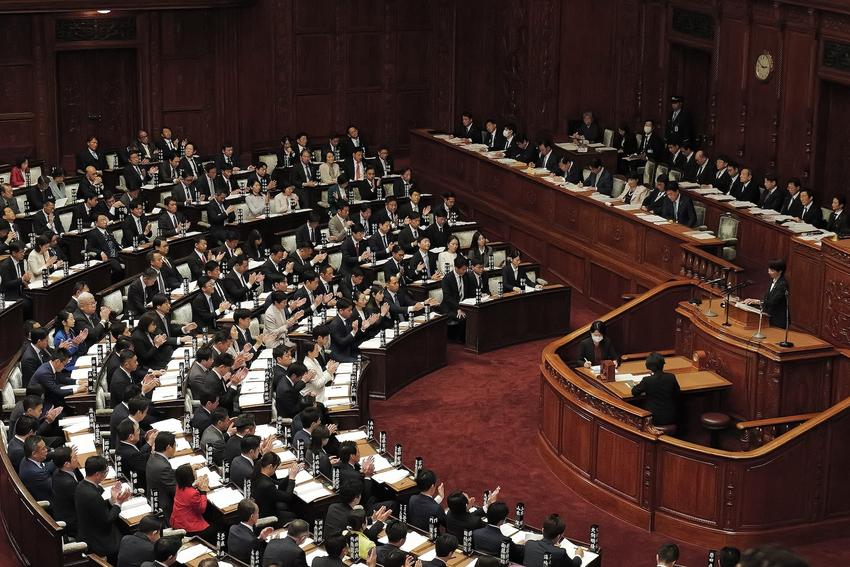
Japan’s governing coalition under Prime Minister Sanae Takaichi faces growing skepticism over whether it will follow through on pledged electoral reforms, particularly after the ruling Liberal Democratic Party’s commanding performance in the February lower house elections gave it little reason to overhaul a system that clearly works in its favor.
Takaichi had previously signaled openness to shifting toward multi-member electoral districts, but that commitment looks shakier now that the LDP swept roughly 86% of single-seat constituencies while capturing just under half the popular vote — a gap that critics say illustrates exactly why the current framework is problematic. The winner-takes-all structure built into single-seat districts amplifies the advantages of dominant parties while squeezing out smaller competitors.
Analysts warn that reform talks could ultimately be steered toward outcomes that entrench the ruling bloc’s position further — most notably by trimming proportional representation seats, which serve as the primary pathway to parliament for many opposition parties.
Japan scrapped its old multi-member district system in 1996, citing concerns that it bred factional infighting and corruption within the LDP. The push to revisit that decision gained traction under Takaichi’s predecessor Shigeru Ishiba, and the LDP’s coalition agreement with the Japan Innovation Party included language about reviewing the electoral structure. Since the election, however, those conversations have taken a back seat.
Instead, the coalition has pivoted toward reducing the total number of lower house seats — a proposal that, if weighted toward proportional representation cuts, would disproportionately hurt opposition parties that depend on that mechanism for representation.
Some political observers see the earlier multi-seat district rhetoric as tactical positioning rather than genuine reform intent — a way to court opposition cooperation that may quietly be abandoned once seat-reduction goals are achieved.