





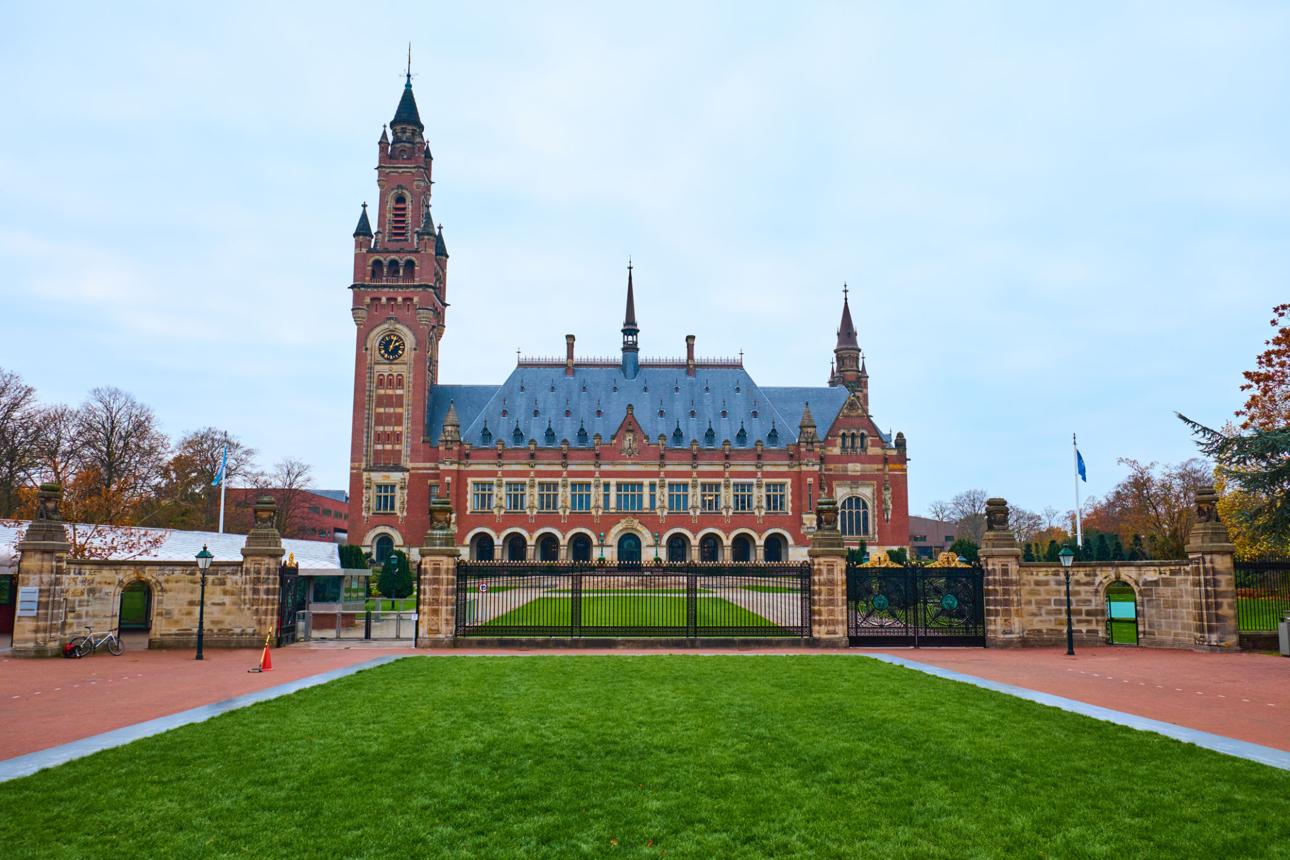
ICJ Rules Myanmar Committed Genocide Against Rohingya

ICJ Rules Myanmar Committed Genocide Against Rohingya, Orders Reparations – INTRO
The International Court of Justice has found Myanmar responsible for genocide against the Rohingya minority during the 2017 military campaign, ordering investigations, compensation and measures to make safe returns possible.
The International Court of Justice (ICJ) has ruled that Myanmar committed genocide against the Rohingya Muslim minority during the military’s 2017 operations in northern Rakhine State, marking a major development in the community’s long campaign for international justice.
The judgment was delivered in The Hague, Netherlands, on Thursday, November 19, 2026, in a case brought by The Gambia against Myanmar under the 1948 Genocide Convention.
The Court reached its decision by a nine-to-six majority. It found that Myanmar violated its international obligations by committing genocide and failing to prevent and punish the crime.
The decision is particularly significant because it is the first time the ICJ has found a state responsible for committing genocide.
What the International Court of Justice decided
In its judgment, the Court examined evidence relating to the Myanmar military’s so-called clearance operations against the Rohingya population in 2017.
The findings covered killings, serious physical and psychological harm, sexual violence and measures intended to prevent births within the community. The Court concluded that the acts were committed with the intention of destroying a substantial part of the Rohingya population.
The United Nations Secretary-General, António Guterres, said the judgment recognised the suffering of victims and highlighted evidence of more than 10,000 deaths, alongside widespread rape and extreme hardship.
The Court also found that Myanmar had failed to meet important obligations under the Genocide Convention. These included preventing genocide, punishing those responsible and putting the necessary national laws in place.
It further found that Myanmar had failed to take effective measures to preserve evidence connected to the allegations, despite an earlier order issued by the Court in January 2020.
Myanmar ordered to investigate and compensate victims
The ICJ directed Myanmar to take steps to comply with its obligations under international law.
Among other measures, the country must investigate people reasonably suspected of committing acts covered by the Genocide Convention and prosecute and punish those responsible where appropriate.
The Court also ordered Myanmar to provide guarantees that similar violations will not happen again.
A central part of the judgment concerns the return of displaced Rohingya people. Myanmar is required to adopt restitution measures that include enabling refugees and other displaced members of the community to return to their places of residence safely, voluntarily and with dignity.
The order also covers the reunification of families separated by displacement.
The Court ruled that Myanmar must compensate the Rohingya community and individual victims for the damage caused. However, it did not determine the final amount of compensation.
Instead, the Court directed Myanmar to submit a report within two years explaining the restitution measures it has adopted and setting out the amount and arrangements for compensation.
How the case reached the World Court
The legal proceedings began in November 2019, when The Gambia filed its case against Myanmar, arguing that the country’s treatment of the Rohingya violated the Genocide Convention.
The West African country brought the case with support from the Organisation of Islamic Cooperation, arguing that states which signed the convention share an obligation to prevent and punish genocide.
The proceedings attracted international attention, with 11 other countries intervening in the case.
The ICJ held public hearings on the merits in January 2026 before delivering its final judgment on November 19.
The case focused on whether Myanmar, as a state party to the Genocide Convention, had breached its international responsibilities. The ICJ’s role was to determine state responsibility, rather than conduct a criminal trial of individual military officers.
Myanmar rejects the judgment as unfair
Myanmar’s government rejected the decision on Friday, November 20, describing it as unfair and arguing that the country had been unjustly accused.
Government spokesperson Khaing Khaing Soe pointed to the fact that the decision was not unanimous, with six judges voting against the majority position.
However, the nine-to-six vote does not change the legal status of the judgment. ICJ decisions in contentious cases are final and binding on the parties, and there is no ordinary appeal process.
The ruling nevertheless raises questions about how Myanmar will carry out the orders, particularly given the Court’s limited ability to enforce its decisions directly.
Rohingya refugees welcome the decision but want to return home
Rohingya refugees living in Bangladesh welcomed the judgment, describing it as an important recognition of the suffering their community has experienced.
Many watched the announcement from refugee camps in Cox’s Bazar, where large numbers of Rohingya have lived since fleeing Myanmar.
The Associated Press reported that approximately 1.2 million Rohingya refugees are now living in Bangladesh, many in difficult conditions involving overcrowding, health risks, inadequate sanitation and restrictions on employment.
The 2017 military campaign forced more than 700,000 Rohingya to flee across the border into Bangladesh.
For many survivors, the court’s decision represents an important step, but it does not immediately resolve the conditions preventing their return.
Refugees have repeatedly called for security, recognition of their identity and protection from further persecution before any repatriation can take place.
CONCLUSION
The judgment puts renewed international pressure on Myanmar to fulfil its obligations under the Genocide Convention.
The Gambia has called for full compliance, while United Nations Secretary-General António Guterres has urged the international community to support accountability and efforts to address the underlying causes of the Rohingya crisis.
The practical impact will depend on whether Myanmar takes the required steps, whether displaced people can return safely and how compensation is eventually determined.
The ICJ’s ruling is a major legal milestone, but it does not automatically bring individual perpetrators to trial or guarantee that refugees can return immediately.
For the Rohingya, the next challenge is turning the Court’s decision into real protection, accountability and the possibility of rebuilding their lives.
Sources: International Court of Justice judgment and press release; United Nations Secretary-General’s statement; Reuters reporting dated November 20, 2026; Associated Press reporting from Cox’s Bazar.