




CBN, NNPC Sign Deal to Boost Forex Inflows and Energy Financing

CBN and NNPC Sign New Agreement to Boost Forex Inflows and Finance Nigeria’s Energy Projects – INTRO
Nigeria’s Central Bank and national oil company have signed a new agreement aimed at improving foreign-exchange inflows, strengthening financial coordination and attracting investment into the country’s oil and gas industry.
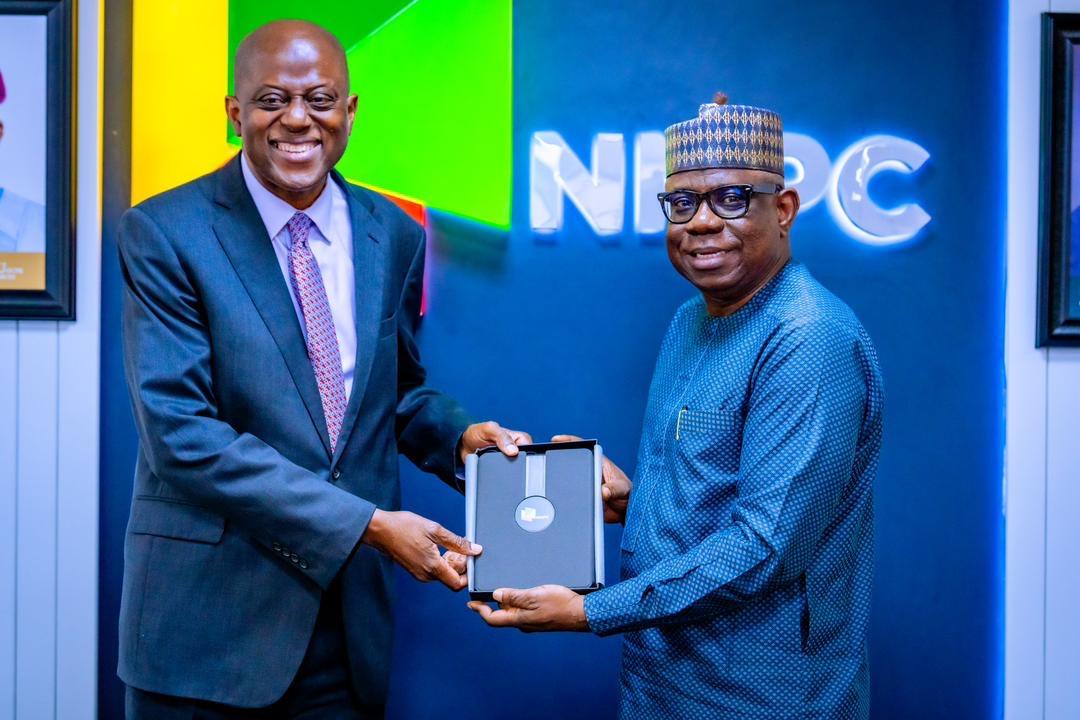
The Central Bank of Nigeria (CBN) and the Nigerian National Petroleum Company Limited (NNPC) have signed a Memorandum of Understanding (MoU) to strengthen cooperation between the country’s financial system and energy sector.
The agreement was signed at the CBN headquarters in Abuja on Wednesday, November 18, 2026, with both institutions describing it as an important step towards improving financial discipline, supporting energy investments and strengthening Nigeria’s foreign-exchange position.
The arrangement is expected to provide a more structured framework for managing financial transactions connected to NNPC’s operations, improving the flow of oil and gas export proceeds and developing financing opportunities for energy projects.
CBN Governor Olayemi Cardoso and NNPC Group Chief Executive Officer Bayo Ojulari were among the officials involved in the agreement.
According to NNPC, the partnership will also support financial structures that could allow the company to raise capital using its assets and balance sheet, with guidance from the apex bank.
What the CBN-NNPC agreement is expected to achieve
The agreement focuses on several areas connecting Nigeria’s oil and gas industry with its financial system.
One major objective is to improve the flow of foreign-exchange earnings from oil and gas exports into the Nigerian economy.
Oil exports remain an important source of foreign currency for Nigeria. Consequently, how export proceeds are managed, transferred and converted can influence the country’s foreign-exchange supply and broader economic stability.
The two institutions also intend to strengthen coordination around domestic payments, contractor settlements, foreign-exchange conversions and financial compliance.
Other areas covered by the framework include:
- Improving the financing of oil and gas projects.
- Supporting the monetisation of hydrocarbon assets.
- Strengthening digital payment systems and financial operations.
- Improving cybersecurity and risk management.
- Encouraging regulatory alignment and information sharing.
- Exploring opportunities to attract international investment into Nigeria’s energy industry.
The agreement is also expected to establish joint steering and working committees to monitor implementation and measure progress against agreed performance indicators.
Cardoso explains why the partnership matters
CBN Governor Olayemi Cardoso described the agreement as a formal framework for cooperation between the monetary authority and the country’s national oil company.
He explained that the oil and gas industry plays an important role in Nigeria’s foreign-exchange earnings, government revenue and wider economic activities.
According to Cardoso, more efficient account management, fund transfers and liquidity support can help improve the predictability of foreign-exchange inflows.
He also highlighted the CBN’s role in managing NNPC’s key operational foreign-currency accounts and supporting the settlement of oil and gas proceeds into the Federation Account and other designated government accounts.
The governor said the institutions would also explore ways to attract international financial organisations that could support the development of Nigeria’s natural gas resources.
This could create opportunities for additional investment in gas infrastructure and other energy projects if suitable financing arrangements are secured.
NNPC targets higher oil production through improved financing
NNPC Group Chief Financial Officer Adedapo Segun said the agreement would replace an arrangement in which the two institutions often handled financial matters through separate, transaction-specific engagements.
He explained that a more organised relationship could help address operational challenges and improve the company’s ability to attract investment.
Segun also linked the partnership to NNPC’s ambition to increase crude oil production from approximately 1.8 million barrels per day to three million barrels per day.
However, achieving that target will require more than an agreement with the CBN. Nigeria must also address challenges involving oil theft, pipeline security, investment, infrastructure, operational efficiency and the development of existing oil and gas assets.
The proposed financing arrangements could support investment, but the agreement itself does not guarantee that production will reach the stated target.
NNPC also said the implementation process would involve agreed timelines, working groups and accountability mechanisms.
How the agreement could affect the naira
One of the most important questions surrounding the agreement is whether it could improve the supply of dollars in Nigeria’s foreign-exchange market.
When oil and gas export proceeds enter the Nigerian economy more efficiently, they can support the country’s supply of foreign currency.
A more predictable flow of export earnings could also help improve confidence among investors and businesses that depend on foreign exchange for international transactions.
The agreement’s provisions on domestic payments and foreign-exchange conversions are also relevant.
NNPC’s management said the company would align domestic payments, contractor settlements and foreign-exchange conversions with applicable CBN regulations.
This is intended to support the use of the naira for domestic transactions and reduce unnecessary dollarisation.
Nevertheless, the agreement should not be interpreted as an immediate solution to Nigeria’s exchange-rate challenges.
The naira’s performance also depends on factors such as foreign investment, import demand, inflation, monetary policy, oil production and international economic conditions.
The actual impact of the new framework will therefore depend on how effectively both institutions implement their commitments.
What Nigerians should expect from the agreement
For ordinary Nigerians, the most important issue is whether the partnership will produce measurable economic improvements.
More efficient management of oil earnings could help strengthen government revenue and foreign-exchange availability. Improved financing could also support investment in oil and gas infrastructure.
However, these benefits are not automatic.
The public will need to see evidence of improved export proceeds, stronger financial accountability, successful energy investments and more consistent implementation of the agreed measures.
There is also no indication in the announcement that the MoU will immediately reduce petrol prices, electricity tariffs or the cost of imported goods.
Any possible benefits to households and businesses would depend on wider economic developments and the successful execution of projects supported by the partnership.
Why the CBN-NNPC partnership is important to Nigeria’s economy
Nigeria’s energy sector and financial system are closely connected because petroleum exports remain an important source of foreign-exchange earnings and public revenue.
When financial coordination is weak, delays and operational difficulties can affect the movement of export proceeds and the financing of important projects.
The new agreement seeks to provide a more predictable structure for cooperation between the country’s monetary authority and national oil company.
It also comes as NNPC continues efforts to improve its commercial operations, address inherited financial challenges and attract investment into the energy industry.
Ultimately, the success of the partnership will not be determined by the signing ceremony alone. Its value will depend on whether it improves transparency, strengthens foreign-exchange inflows, attracts credible investment and supports higher energy production.
For Nigerians, the real test will be whether the agreement delivers measurable improvements to the economy over time.