
Japanese kids are stepping into creative roles like mock diplomats and video editors, meeting the rising need for strong communication skills from a young age.
Extracurricular programs fostering imagination and expression are moving past conventional sports and classroom learning. Options now include online content production and rakugo, Japan’s traditional storytelling craft, empowering children to voice their thoughts while exploring passions.
This trend aligns with changes in education. University admissions now feature rigorous evaluations and problem-solving approaches that prioritize self-reliant thinking and effective communication. As a result, parents and teachers seek targeted preparation for these challenges.
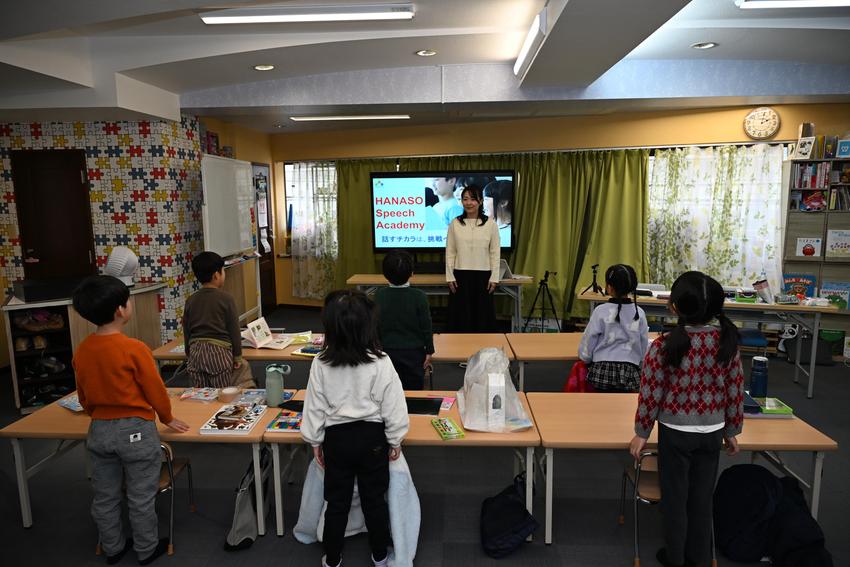
In Tokyo’s Meguro district, Hanaso Lab helps even preschoolers and first-graders tackle international topics. Students gear up for a “Kids Model UN” by role-playing as envoys from various nations, crafting speeches and debating solutions to global issues.
One participant shared, “China fascinates me due to its rich fossil discoveries.” Another added, “Ants are my favorite, and I’d love to share the Aboriginal ant drink to bring joy to everyone.” Some join virtually from beyond Tokyo.
Instructor Tomoko Takeoka emphasized, “In our globalized world, succinctly sharing emotions and insights is a vital skill.”
Parents appreciate how these experiences address past shortcomings. A mother noted that presentations weren’t stressed in her school days: “We struggled in the workforce when suddenly required to speak publicly. I hope my child learns to confidently share views.”
In Shibuya, Fulma’s video production classes build digital savvy and online awareness under instructor Fukuya Nakazato. In a February session, he guided first-year junior high student Sota Matsukawa remotely. “Share something intriguing lately,” Nakazato prompted, as Matsukawa polished a Pokémon card unboxing video.
Matsukawa’s channel, “Super Happy Matsubokkuri,” got refined over 40 minutes with Nakazato’s input. The teacher focuses on nurturing hobbies: “I aim to amplify their talents through fun activities.” Matsukawa creates to “bring entertainment to viewers.”
Some opt for classic outlets like rakugo. At Rakugo Labo in Chuo Ward, fifth-grader Tomohisa Hashimoto rehearses timeless tales onstage.
Teacher Kingentei Yonosuke, a professional storyteller, advised, “Top rakugo artists shine with personal flair. Study masters, copy them, and craft your own engaging style.”
Hashimoto credited the training with easing his vocal hesitations: “Rakugo lets me speak freely now.” Fellow fifth-grader Yuki Koshino discovered a love for history and politics through it: “I aspire to be prime minister.”
Education analyst Chikara Oyano views these pursuits as mirrors of wider shifts. “Active learning and expressive skills are key in exams now, plus explaining ideas reinforces comprehension.”
He cautioned balance: “Not every child thrives in the spotlight—some excel, others don’t. Tailor approaches to fit them.”