
Chinese Media Surge in Okinawa Sovereignty Doubts Follows Japanese PM’s Taiwan Warning
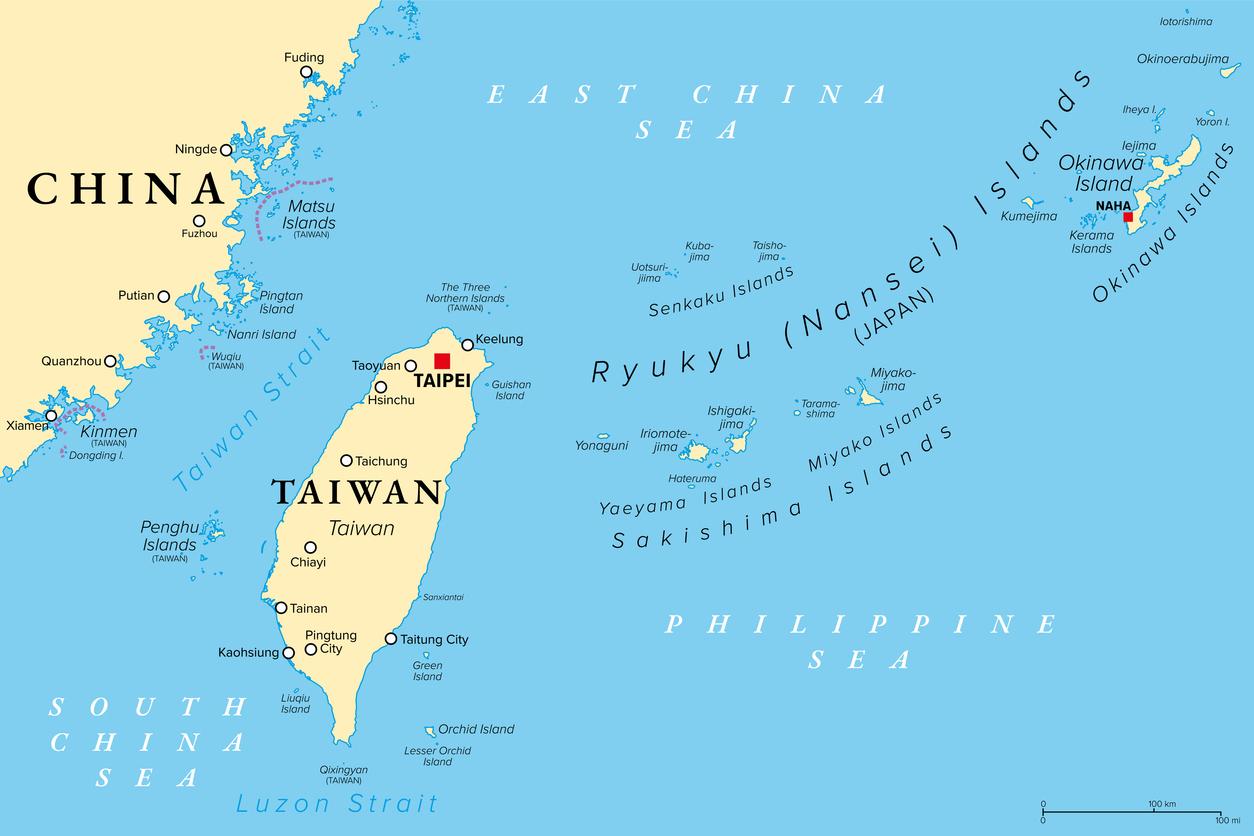
Articles in Chinese media questioning Japan’s sovereignty over Okinawa Prefecture spiked dramatically in November, coinciding with heightened tensions after Prime Minister Sanae Takaichi’s comments on a potential Taiwan crisis.
Analysis revealed a roughly 20-fold increase in articles using terms like “Ryukyu”—the historical name for the former kingdom encompassing modern Okinawa—and “independence,” compared to November 2024. Around 30 such pieces appeared that year, but the number soared to about 600 this November, especially after Takaichi’s November 7 parliamentary statement. She described a Chinese attack on Taiwan as a “survival-threatening situation” for Japan, possibly triggering its defense forces.
These reports, drawn from mainland China and Hong Kong media where “Ryukyu” or “Okinawa” appeared near “independence,” increasingly portrayed Okinawa as historically separate from Japan. They argued the prefecture’s sovereignty did not fully revert to Japan via the 1972 agreement and emphasized its past as an independent kingdom. The Communist Party-linked Global Times ran an editorial challenging Okinawa’s status as Japanese territory.
Experts see this as a propaganda push to unsettle Japan domestically while rallying Chinese public opinion. Beijing claims Taiwan—a self-ruled island separated since the 1949 civil war—as a renegade province to be reunified, potentially by force.
Jun Osawa, a cybersecurity expert at Tokyo’s Nakasone Peace Institute, noted: “China’s propaganda efforts first consolidate domestic public opinion before projecting a tougher stance abroad.” He urged Japan to counter firmly in multiple languages across media and international forums.
The data came from U.S. firm Meltwater’s analysis tool, which tracks major Chinese and Hong Kong outlets and portals. Meltwater confirmed its source pool remained consistent from 2024 to 2025.