
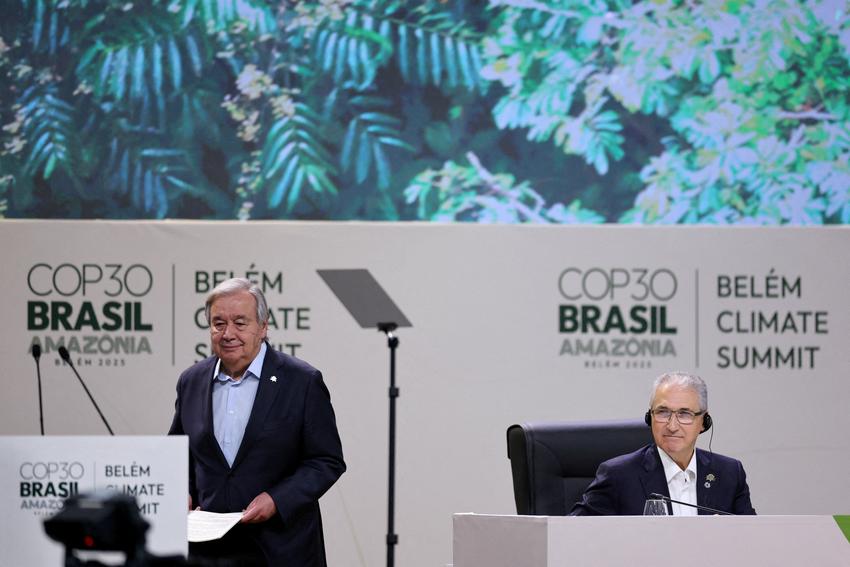
Urgent Call for Action Dominates COP30 Climate Negotiations in Brazil”
BELEM, Brazil – An existential question hangs over this year’s COP30 summit in Brazil: what are the annual U.N. climate negotiations really for?
More than 30 years of talks on global action to tackle climate change have led to progress, including surging renewable energy expansion and scaled-up climate funds – but not enough. Emissions keep building. Temperatures are still rising.
At the COP30 climate negotiations, there is a rising demand for substantial and effective change, emphasizing that climate action must go beyond political promises to tangible implementation.
Key issues include securing adequate and equitable financing, ensuring a just transition from fossil fuels to renewable energy, and honoring the responsibilities of developed nations to support vulnerable countries.
The urgency to close the gap between ambitious goals and real progress drives the discussions, reflecting deep concerns from both negotiators and civil society about the need to translate commitments into real-world outcomes. COP30 is widely seen as a decisive moment to move from pledges to concrete, inclusive climate solutions.
That has sparked increasing calls for reform of the Conference of the Parties summits, particularly as the world’s climate negotiations were designed to agree global goals and review their progress, but not to step in to speed up efforts on the ground.
Reuters interviewed more than 30 experts on the subject, including diplomats, former U.N. negotiators, government ministers, activists, investors and development bank executives from both wealthy and developing countries.
Many described the U.N.-led process as needing an upgrade to become fit for the task ahead: turning years of COP pledges into action in the real world.
We need to turn away from jamborees around negotiations, into really focused efforts to accelerate implementation,” one European negotiator said. “This is probably the last of the old COPs and the beginning of the new.”
But even those that agree the COPs need a revamp disagree on what that should look like.
Those wary of reform say it could not happen at a worse time. With anti-climate politics taking hold in the United States and some others watering down green policies, they fear an overhaul could backfire and lead to something worse.
“In a time in which the climate debate is so vulnerable, to open a reform process could mean that we could be captured by the climate denialists,” former Peru Environment Minister Manuel Pulgar Vidal said.
The U.N. is among those seeking a change. U.N. climate secretariat head Simon Stiell has set up a group of 15 former world leaders, diplomats, ministers, business and Indigenous representatives to advise on how to make COPs fit for the next decade. The group will submit its recommendations in the coming weeks, two members told Reuters.
Stiell told Reuters the COP process had delivered real progress, noting that countries’ latest climate pledges would cut global emissions 12% from 2019 levels by 2035, marking the first steady decline.
“But in this new era, we must evolve and improve in order to accelerate… But we must also be clear about who can change what,” he said.
One member of the advisory group, climate scientist Johan Rockstroem, said “nothing was off the table” as they debated options from allowing majority-vote decisions to restructuring the annual summit’s format.
“In the end, what matters is to start delivering against the agreements,” Rockstroem told Reuters.