
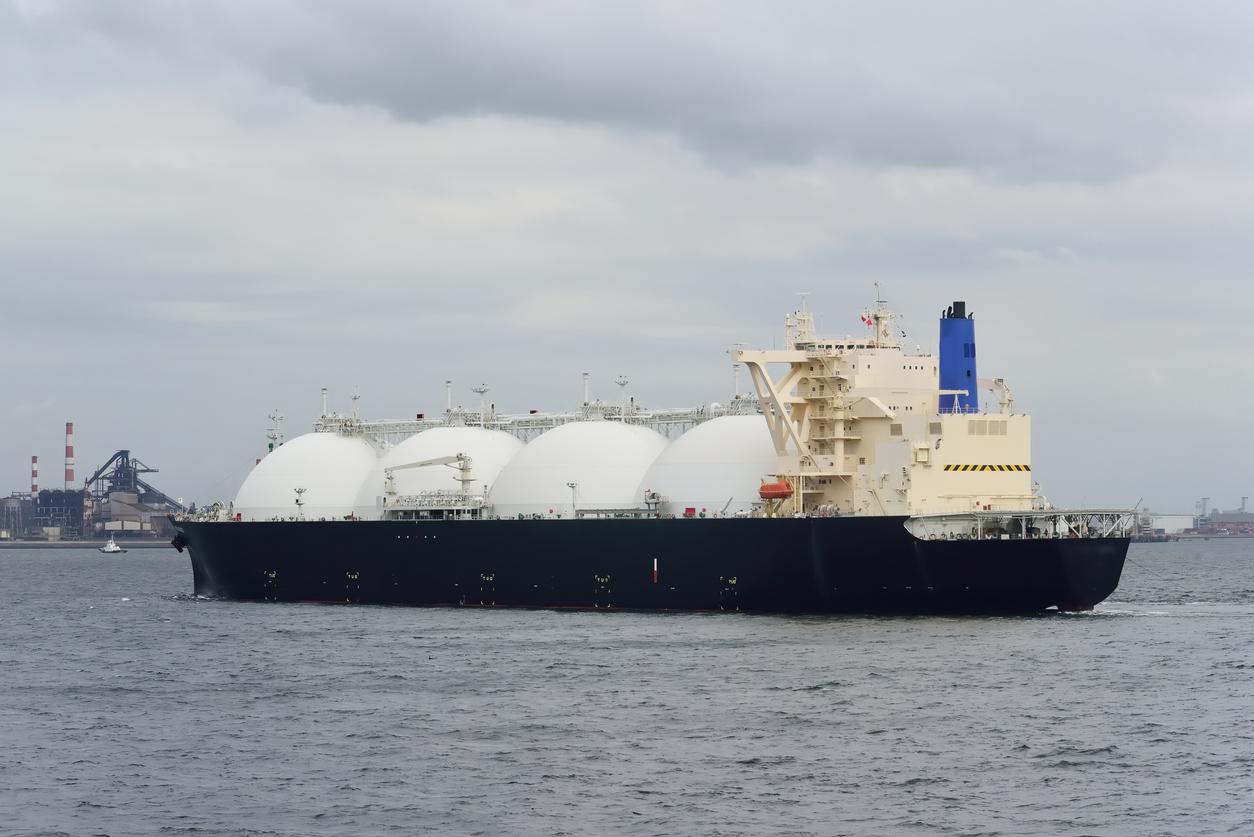
U.S. extends waiver allowing Japan to import LNG from Russia
The U.S. Treasury Department said Wednesday it will extend an exemption allowing companies to process transactions related to the Sakhalin 2 oil and natural gas development project in the Russian Far East, in which Japanese companies are participants, until June 18.
With the six-month extension, Japan, a key U.S. ally, can continue receiving crude oil and liquefied natural gas supplies from the energy project, which is not completely subject to sanctions imposed on Russia since it launched a full-scale invasion of Ukraine in February 2022.
The department’s decision came despite U.S. Treasury Secretary Scott Bessent’s request two months earlier that Japan do more to erode Russia’s war chest.
In mid-October, Bessent held a meeting with then Japanese Finance Minister Katsunobu Kato in Washington, at a time when President Donald Trump’s administration was stepping up pressure on allies to help the United States advance peace talks to end the war.
Following the meeting, Bessent wrote on social media he had conveyed to Kato the Trump administration’s hope that Japan would no longer buy Russian energy.
In 2024, Japan imported 8.6 percent of its LNG from Russia. The entire amount was from Sakhalin 2, in which Japanese trading houses Mitsui & Co and Mitsubishi Corp are major stakeholders.
A senior industry ministry official in Tokyo said Japan’s policy “to reduce imports of Russian LNG in the future remains unchanged, but alternative suppliers cannot be found immediately.”
Some Japanese officials and companies had been concerned about whether the exemption, which was set to expire Friday, would be extended, given that losing access to Russian LNG could hinder Japan from securing stable energy supplies and result in price hikes in the country.
Unlike LNG, Japan did not import crude oil from Russia last year, according to official data, though the U.S. waiver permits maritime transport of crude oil originating from Sakhalin 2 bound for Japan.