
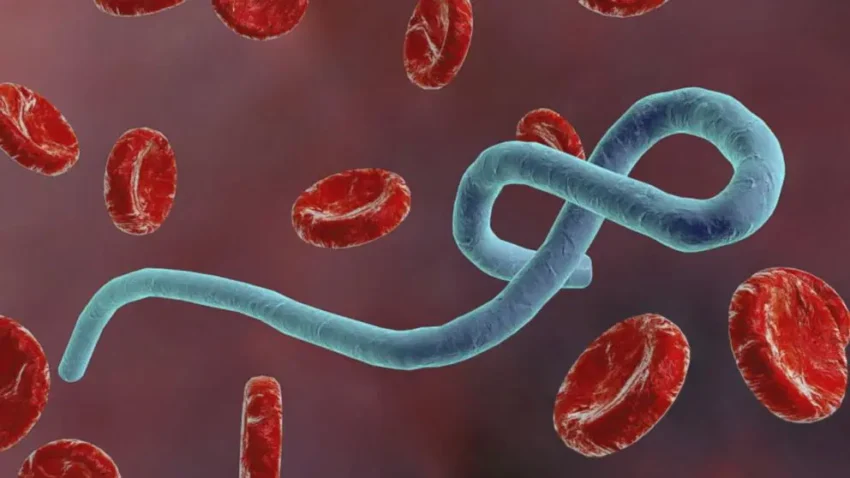
The Nigeria Centre for Disease Control and Prevention, NCDC, has identified two suspected cases of Ebola Virus Disease, EVD, in the North-East region of Nigeria, triggering fresh concerns over the country’s ability to contain the spread of the deadly virus.
The agency said both individuals have been isolated while laboratory investigations and contact tracing are ongoing. It added that health authorities are working to determine whether the suspected cases are linked to the confirmed Bundibugyo Ebola case earlier reported in the Federal Capital Territory, FCT.
The NCDC disclosed the development in an update on the Ebola situation, noting that contact identification and listing had commenced. It said the two individuals were being monitored and managed in line with established protocols for suspected viral haemorrhagic fever cases.
However, the agency cautioned that being classified as suspected cases did not mean the individuals had tested positive for Ebola. It stressed that confirmation would depend on laboratory results, urging Nigerians to avoid speculation and unverified claims.
“Both suspected cases have been isolated, while laboratory testing and contact tracing are ongoing,” the NCDC said.
The agency urged members of the public to maintain good hand hygiene, practise enhanced sanitation and comply with guidance issued by public health authorities. It also advised people to avoid direct contact with anyone showing symptoms consistent with Ebola.
Ebola is a severe and often fatal viral illness spread through direct contact with the blood, body fluids or tissues of an infected person. It can also spread through contact with contaminated objects, medical equipment and the bodies of people who died from the disease.
Early symptoms include fever, fatigue, muscle pain, headache and sore throat. The illness may later progress to vomiting, diarrhoea, rash, impaired kidney and liver function, and in severe cases, internal and external bleeding.
Health experts say early detection, isolation of suspected cases, contact tracing and infection prevention measures are crucial to controlling outbreaks. They also stress the importance of community awareness, safe burial practices and rapid laboratory confirmation of suspected cases.
The latest development comes after the NCDC confirmed a case of Bundibugyo Ebola Virus Disease in the FCT. The confirmation heightened concerns among Nigerians, particularly as the disease is highly infectious and can spread rapidly in healthcare and community settings if not properly contained.
The NCDC said it would continue to work with state governments, hospitals, laboratories, emergency responders and partner agencies to strengthen surveillance and prevent further transmission.
It added that health workers had been advised to maintain a high index of suspicion, particularly when attending to patients presenting with fever and bleeding or other Ebola-related symptoms.
The agency also called on healthcare facilities to strengthen infection prevention and control measures, including proper triage, isolation of suspected cases, use of personal protective equipment and safe waste management.
Members of the public have been urged to report unusual illness promptly to the nearest health facility and avoid self-medication. The NCDC also discouraged the handling of dead bodies by untrained persons, warning that such practices could increase the risk of transmission.
The suspected cases in the North-East have renewed calls for stronger surveillance at entry points, including airports, seaports and land borders. Health authorities have been urged to intensify screening and ensure that travellers with symptoms are properly assessed before being allowed into communities.
Public health advocates have also called for increased funding for disease surveillance, laboratory capacity and emergency preparedness, warning that Nigeria’s large population and frequent internal travel could make containment challenging if an outbreak is not detected early.
The NCDC assured Nigerians that it would provide regular updates as verified information becomes available. It urged the public to rely on official channels for information and avoid spreading rumours that could cause panic.
Meanwhile, health authorities are expected to release the laboratory results of the two suspected cases once testing is completed. Until then, both individuals will remain under isolation and close medical monitoring.
The development underscores the need for continued vigilance, rapid response and public cooperation in preventing the spread of Ebola and other infectious diseases across Nigeria.