
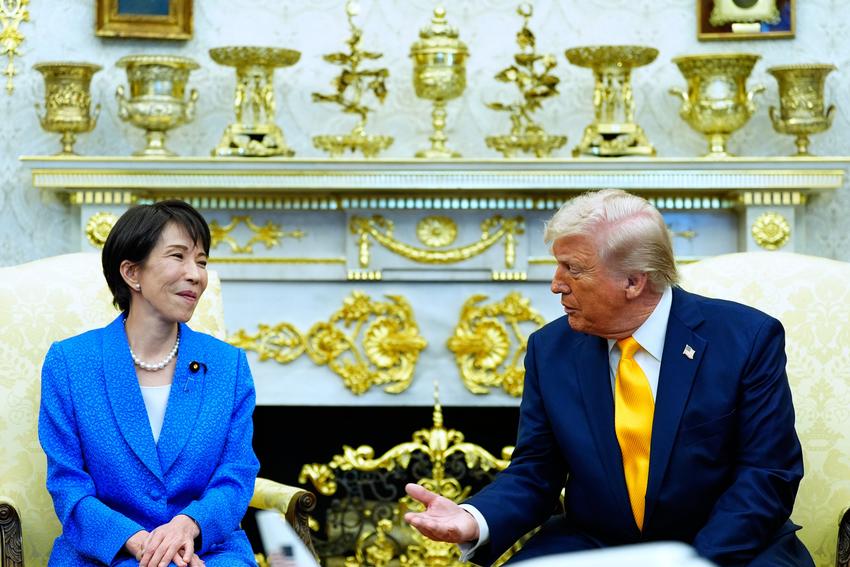
Trump’s Pearl Harbor Jab at Japan Summit Sparks Awkwardness Over WWII History and Iran Strike
Senior U.S. and Japanese officials typically avoid blunt references to Japan’s 1941 Pearl Harbor attack on America. That made President Donald Trump’s casual invocation of the event using it to defend his surprise U.S. strike on Iran—deeply uncomfortable during a White House summit on Saturday.
Japanese Prime Minister Sanae Takaichi sat awkwardly beside Trump as he responded to a reporter’s question about not notifying allies beforehand. “Who knows better about surprise than Japan? Why didn’t you tell me about Pearl Harbor, OK?” Trump quipped on Friday.
Japan’s reaction stems from its heavy reliance on the U.S. as its key security and economic partner, especially with Takaichi in Washington to strengthen ties. It also highlights lingering sensitivities around Japan’s WWII role, 80 years on. Leaders like Takaichi argue Japan has apologized sufficiently and have even floated visits to Tokyo’s Yasukuni Shrine, which honors war criminals among 2.5 million dead.
Media and Expert Backlash
The left-leaning Asahi newspaper blasted Trump’s remark in a Saturday editorial as “nonsense that ignores lessons from history,” unfit for justifying a “sneak attack.”
Social media buzzed with accusations of U.S. ignorance, rudeness, and viewing Japan as unequal, alongside calls for protest. Tsuneo Watanabe of the Sasakawa Peace Foundation wrote in Nikkei that Trump seemed unbound by U.S. norms, implicating Japan to excuse his Iran move.
Strategic Dependencies and Restraint
Both nations tread carefully: The U.S. hosts 50,000 troops in Japan with advanced weapons, while Japan leans on America’s nuclear umbrella against nuclear threats. Japan’s pacifist constitution limits force to self-defense, but Takaichi pushes expansions.
Takaichi, a conservative, drew praise for her restraint—eye-rolling but not responding—prioritizing alliance-building over history. She visited amid Trump’s nudge for Japan to aid Strait of Hormuz protection. Critics like ex-diplomat Hitoshi Tanaka called her flattery “sad,” urging equal footing.
Many recall Obama and Abe’s 2016 Pearl Harbor and Hiroshima tributes as reconciliation models.
Reporter’s Defense and Public Frustration
Blame initially fell on TV Asahi’s Morio Chijiiwa, whose question prompted the remark. He clarified on TV: “I represented Japanese unhappy about the one-sided Iran attack and being asked to help afterward.”
Public sentiment varied. Junji Miyako, 53, found Takaichi’s silence more frustrating than Trump’s gaffe, prioritizing opposition to the Iran war.