
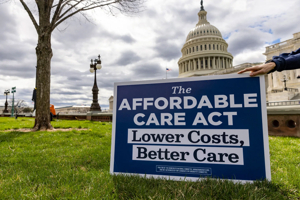
The New Year health-insurance shock facing millions of Americans is act one in a looming Affordable Care Act crisis
As Americans prepare to welcome the new year, an undercurrent of anxiety looms over the nation’s health-care system. Around 24 million people — roughly 7% of the U.S. population — currently receive health coverage through marketplaces established by the Affordable Care Act (ACA). For many, this coverage is made affordable only through federal tax credits that help offset the cost of premiums.
Those subsidies, however, are set to expire on January 1st, 2026. Without renewed congressional action, millions of Americans could see their premiums skyrocket overnight. Analysts estimate that many low- and middle-income families may be forced to reduce coverage or drop it altogether, reversing years of progress in lowering the uninsured rate.
Policymakers in Washington face mounting pressure to extend these credits, which were first expanded under pandemic relief measures. While some lawmakers argue that continuing the subsidies is fiscally responsible to maintain coverage stability, others warn that it places an unsustainable burden on federal spending.
As the clock ticks down to midnight, for millions of Americans, the start of 2026 may bring not celebration, but uncertainty — about how to afford the care they rely on.