
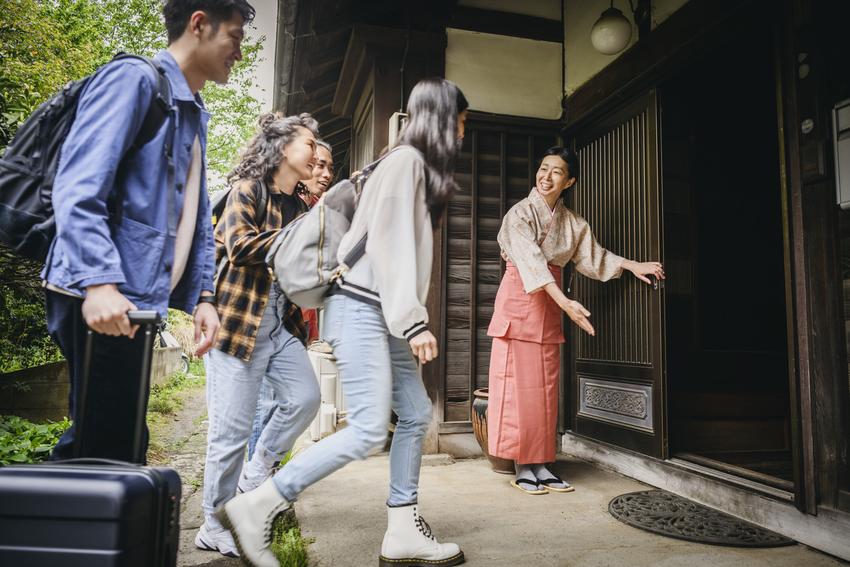
More than 70 percent of accommodation facilities in Japan are grappling with labor shortages as a surge in tourism strains the sector, according to a government white paper, which calls for greater investment in automation and improved worker benefits to address the gap.
The annual tourism report warned of a possible “vicious cycle,” in which rising workloads drive more employees to quit, further compounding staffing shortfalls.
A government survey conducted between December and January, covering 522 accommodation facilities nationwide, found that 72.2 percent reported being short of labor. Respondents identified managing the increased burden on existing staff during peak seasons as an urgent challenge.
The shortage is not confined to tourism. Japan’s rapidly aging population and declining birthrate have contributed to broader labor shortfalls, compounded by the fact that service sector wages tend to lag behind those in manufacturing. Although Japan has long maintained strict immigration policies, the country has gradually eased its approach to admitting foreign workers in response to these pressures.
The white paper, approved by the Cabinet on Friday, urges operators to increase investment in technologies such as automated check-in systems and food service robots. According to the report, enhanced services driven by such technology would improve customer satisfaction and boost revenue, which could in turn support higher wages for employees.
Japan has experienced a marked rise in inbound tourism in recent years, driven largely by the weak yen against currencies including the U.S. dollar, which has made travel to the country more affordable for foreign visitors.
Although the conflict in the Middle East has weighed on the tourism industry in recent months, the number of foreign visitors to Japan exceeded 40 million in 2025 for the first time, with visitor spending reaching a record high. The government has set a target of 60 million foreign visitors annually by 2030.