
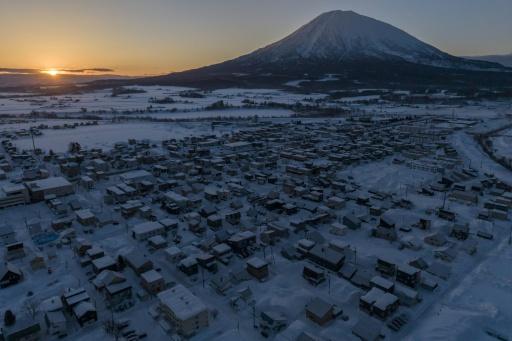
Niseko Ski Resort Booms with Foreign Cash, But Locals Face Skyrocketing Prices and Immigration Tensions
Under Niseko’s world-famous powder snow on Hokkaido, locals grapple with surging costs and a flood of overseas workers, even as Prime Minister Sanae Takaichi pushes stricter immigration controls.
Australian tourist Gideon Masters, 29, raved about the “soft, powder fluff” snow—”the best in the world”—but lamented the crowds at the slopes.
Foreign Boom Fuels Growth—and Grievances
Developed in the 1960s, Niseko drew Australians in the 1990s, surging post-9/11 as a U.S. alternative. Hong Kong, Malaysian, and Singaporean investors followed, driving Hirafu land prices up 70% from 2020-2025.
Local realtor Hiroshi Hasegawa credits Aussies and Kiwis for global fame: “Funds from tax havens, Hollywood stars, and multinational owners” now buy second homes, inflating prices further.
Residents like painter Masatoshi Saito, 42, feel priced out: Supermarkets stock luxury items like Dom Pérignon and pricey veggies, forcing shopping trips elsewhere. Hotels hike wages for staff, but construction firms struggle amid fixed prices.
Labor shifts too—care workers chase hotel pay, risking social service shortages, Hasegawa warned.
Seasonal Surge and Cultural Clashes
Kutchan’s non-Japanese population doubles to 3,000 in winter from 70 countries (nearly 20% of residents), creating buzz but neighbor issues like littering, per Mayor Kazushi Monji.
A 1,200-worker foreign housing plan last fall ignited backlash over cultural and language gaps. Monji calls for “mutual support.”
National Tensions Collide with Local Needs
Far-right Sanseito gained in February elections amid anti-immigration waves. Takaichi pledges “harmonious coexistence” via tighter entry checks, stays, illegal work crackdowns, and foreign land-buy limits for security.
Yet Monji rejects takeover fears: Foreign interest “boosts the economy.” With Japan’s 2025 births at a 10-year low, Hokkaido polarizes—tourism hotspots see top land gains, while others slump from depopulation.
“If we want to share this region’s beauty with the world, we must move beyond nationality,” Monji said.