
Nepal’s flood death toll surpassed 1,000 on Sept. 1 as rescuers used heavy machinery, helicopters and excavators to reach thousands still unaccounted for nearly a week after a catastrophic Himalayan disaster tore through towns and valleys.
The disaster began when a glacier collapsed on Aug. 26, sending a fast-moving mixture of ice, rock and mud through mountainous areas along Nepal’s northern border with China. The collapse heavily damaged hydropower projects and settlements across the region.
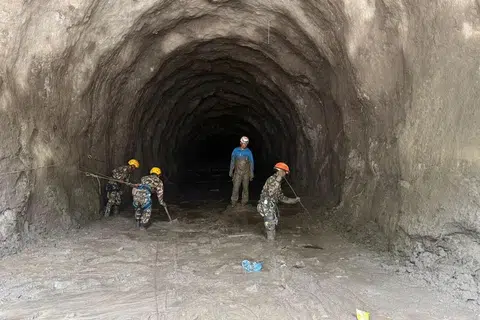
Specialised rescue teams from China, India and Nepal have built temporary bridges to reach remote locations and dug through ruined hydropower sites, using excavators to free nearly 300 workers trapped inside tunnels. Nepal’s disaster management authority said at least 639 people remain trapped in several devastated hydropower stations, which remain a primary focus of rescue operations.
The confirmed death toll rose to 1,003, and about 4,000 people remain missing, including 590 foreign nationals from 39 countries. Prime Minister Balendra Shah said in a late-night social media post on Aug. 31 that “thousands of citizens have lost their homes, families, loved ones and property,” and pledged government support for those displaced. He noted the disaster poses a major challenge for his six-month-old government.
More than 11,000 people have been rescued across the affected region, and power and communications have been restored in some areas, authorities said. The Nepal Army reported that over 9,200 personnel were deployed to coordinate search and rescue, manage recovered bodies, clear blocked roads and provide emergency medical care.
Survivors described fleeing with almost nothing. A woman from the hard-hit Rasuwa district said she and other villagers walked to Nuwakot with only the clothes they were wearing, many of them soaked by rain.
Foreign assistance and relief
Nepal has received more than US$42 million in aid so far, and officials expect further contributions. China’s rescue teams worked through the night to reopen access to the Nepal border, and Beijing said it would send DNA testing experts, a second batch of relief supplies, drones and water-purification equipment. South Korea will dispatch a 44-member emergency relief team; nine South Korean nationals working at a hydropower site are among those missing.
Nepal has limited broad foreign involvement in general search-and-rescue but has requested specialised services and advanced equipment, including life-detection machines, large refrigeration units and Bailey bridges. India and China have been primary providers of assistance, with the United States, Japan, South Korea, Singapore, Australia, European Union countries and the UAE also contributing.