
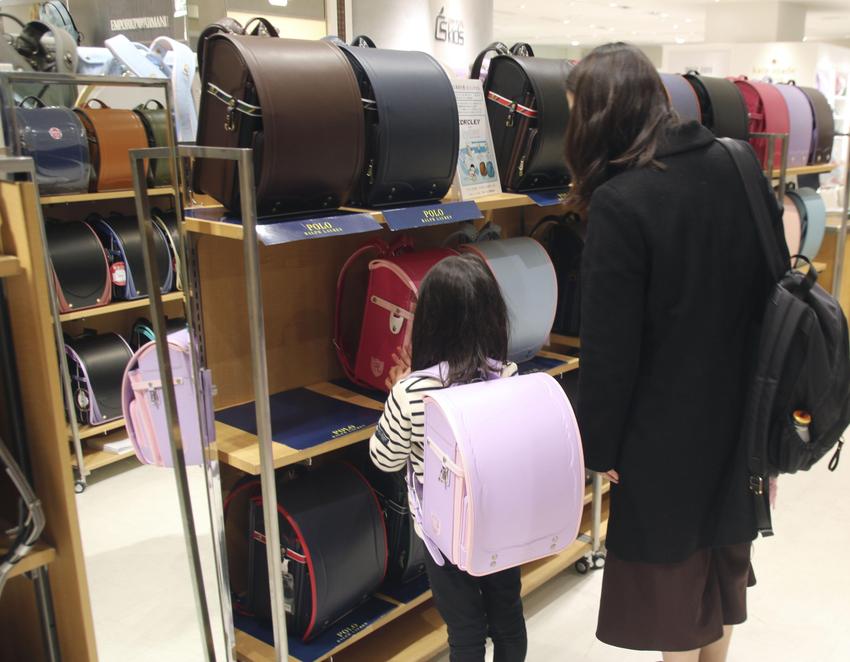
Japan’s Randoseru Shopping Boom Starts Early for 2027 School Entrants Amid Soaring Price
Department stores and supermarkets in Japan have kicked off the spring 2027 shopping season for traditional randoseru backpacks aimed at first graders—over a year before these kids step into elementary school.
These durable bags, designed to endure all six years of primary school, now cost about 1.7 times more than 15 years ago, driven by rising material expenses and premium features. The hunt, dubbed “ran-katsu” (randoseru + activity), typically begins in April the year prior and peaks in May, fueled by eager parents and grandparents.
Japan’s declining child population means more spending per kid. Tokyo’s Shinjuku Takashimaya opened its randoseru section in mid-March, with average prices hitting 76,500 yen. High-end picks like Polo Ralph Lauren models run 110,000 yen—a 40-something mom from western Tokyo plans to let her mother buy one for her daughter during Golden Week.
Price Surge and Buyer Trends
A school bag industry group reports the average for spring 2025 entrants jumped to 60,746 yen from 35,400 yen 15 years back. Grandparents footed 54.4% of bills. Inflation in materials and labor, plus demand for high-tech options like cushioned straps for heavy loads (including tablets), explain the hike. Empty, randoseru weigh 1-2 kg.
Artisans craft many from leather for longevity, with designs evolving beyond black-for-boys and red-for-girls traditions into vibrant colors. Budget alternatives shine too: Montbell’s 2022 nylon lightweight model (14 liters, 16,000 yen) sees yearly sales growth.
Yet the randoseru market—a key elementary school rite of passage—is shrinking. NLI Research Institute pegs last year’s value at 54.5 billion yen, down 1.3% from 2023’s peak. “Even with rising prices, population decline will gradually contract the market,” says senior researcher Naoko Kuga.