
Japan Moves to Restart World’s Largest Nuclear Plant After Niigata Vote
Japan took a decisive step toward reviving nuclear energy on Monday as Niigata Prefecture voted to approve the restart of the Kashiwazaki-Kariwa nuclear power station — the world’s largest — nearly 15 years after the Fukushima disaster.
Located about 220 kilometers northwest of Tokyo, the Kashiwazaki-Kariwa plant was one of 54 reactors shut down following the 2011 earthquake and tsunami that crippled Fukushima Daiichi in the world’s worst nuclear crisis since Chernobyl. Since then, Japan has brought 14 of its 33 operable reactors back online in an effort to reduce its dependence on imported fossil fuels. Kashiwazaki-Kariwa will be the first plant operated by Tokyo Electric Power Company (TEPCO), the same utility behind Fukushima Daiichi, to resume operations.

On Monday, the Niigata Prefectural Assembly passed a vote of confidence in Governor Hideyo Hanazumi, who signaled his support for the plant’s restart last month, clearing the way for operations to resume.
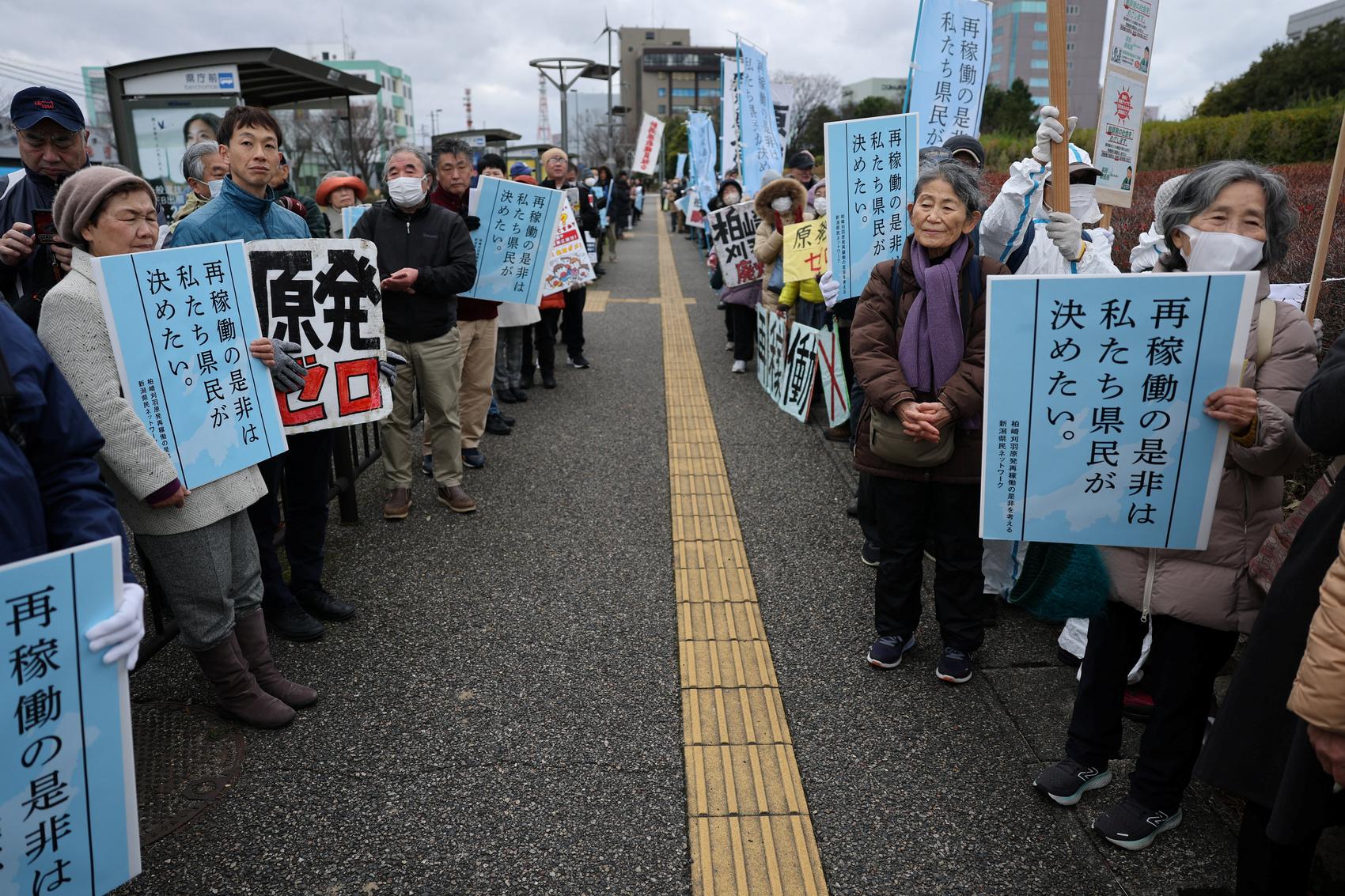
Outside the assembly, around 300 protesters — many of them elderly — gathered despite chilly 6°C weather, holding banners that read “No Nukes,” “We oppose the restart of Kashiwazaki-Kariwa,” and “Support Fukushima.” The crowd sang Furusato, a beloved Japanese song about one’s hometown, as speakers questioned whether TEPCO could be trusted to operate the facility safely. The crowd responded in unison: “No!”
Public broadcaster NHK reported that TEPCO is considering reactivating the first of the plant’s seven reactors as early as January 20.
“We remain firmly committed to never repeating such an accident and to ensuring that Niigata residents never experience anything similar,” said TEPCO spokesperson Masakatsu Takata, who declined to comment on the exact timeline for the restart