
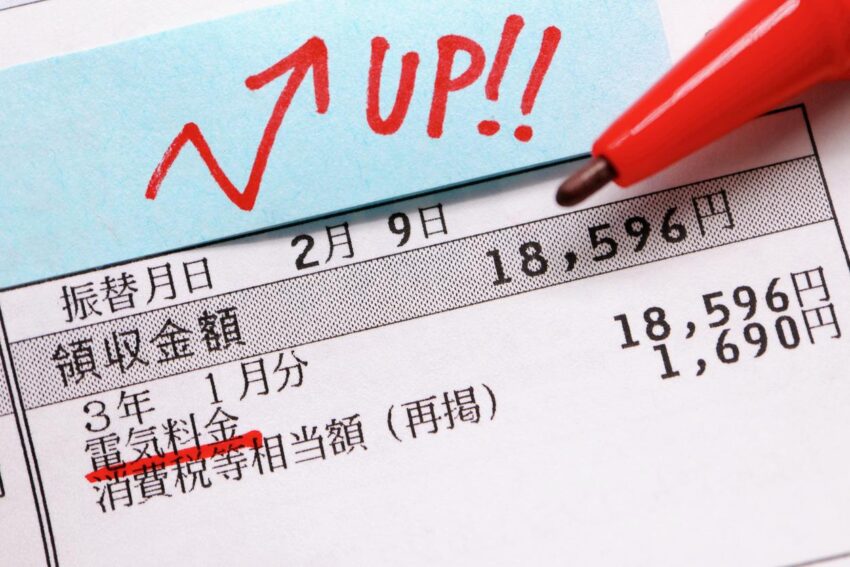
Japan is drawing up a supplementary budget of roughly 3 trillion yen for fiscal 2026 to help households weather a sharp rise in energy prices driven by ongoing instability in the Middle East, according to a source close to the matter.
As an immediate measure, the government plans to tap approximately 500 billion yen from existing reserve funds to subsidize electricity bills through the summer months, with the extra budget expected to replenish those reserves. Fuel subsidies at the pump will also be maintained under Prime Minister Sanae Takaichi’s administration — though the expanded spending is likely to sharpen scrutiny of Japan’s fiscal position, already the most strained among G7 nations.
Energy costs have remained elevated since U.S. and Israeli forces struck Iran in late February, effectively choking off traffic through the Strait of Hormuz. The pressure has prompted lawmakers across party lines to push for emergency fiscal intervention.
Relief this time around is expected to be considerably more generous than last year, when government subsidies trimmed the average household’s electricity and gas bill by around 1,000 yen per month — a program that drew on some 288 billion yen in reserve funds from the fiscal 2025 budget.
With Japan’s summer heat reliably sending air conditioning demand — and utility bills — climbing, the timing is deliberate. The country has periodically rolled out similar relief schemes since January 2023, when energy prices first spiked in the wake of Russia’s invasion of Ukraine, typically targeting the peak cooling and heating seasons.