
Iran Prepares to Name Khamenei’s Successor Amid War and Controversy
Ali Khamenei, Iran’s Supreme Leader, died at age 86 from one of the initial U.S.-Israel missile strikes in their war with Iran. He was reportedly in poor health beforehand. Iranian officials had succession plans ready but not for wartime circumstances.
Mehr News Agency, state-linked, says a successor decision is made, though “obstacles” remain before announcement. Assembly of Experts member Hojjatoleslam Jafari hopes it satisfies the public, calling any delay “bitter and unwanted” amid hardship.
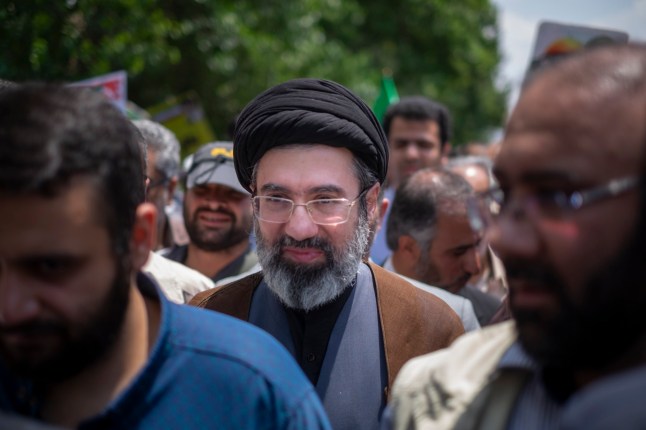
Reports from The New York Times point to Khamenei’s second son, Mojtaba, as the frontrunner. University College London’s Christian Emery calls this controversial: Mojtaba wields influence but lacks government experience, and hereditary rule risks eroding the revolution’s anti-Shah principles. The BBC noted Khamenei once warned against it and ruled out Mojtaba.
Still, Mojtaba’s ties to the Islamic Revolutionary Guard Corps (IRGC)—from his Iran-Iraq War service—could boost their power. Emery says his rise would safeguard the IRGC’s vast economic and political base built under Khamenei.
Israel’s Katz posted on X that any new Supreme Leader is “an unequivocal target for elimination.” The strikes also killed Khamenei’s wife Zahra Adel, mother Mansoureh Khojasteh Bagherzadeh, and one son.
Iran has had two leaders since the 1979 Revolution: Ruhollah Khomeini (until 1989) and Khamenei. The 88-cleric Assembly of Experts elects the next via majority vote, with a committee shortlisting candidates. In 1989, they approved Khamenei in 24 hours.
War complicates this: Emery questions how the Assembly convenes safely without risking more strikes.
Other candidates:
- Gholam-Hossein Mohseni-Ejei, hardline chief justice tied to protest crackdowns.
- Hassan Khomeini, founder’s grandson, with cross-faction ties for stability.
- Alireza Arafi, Guardian Council/Assembly member, a continuity pick who won’t challenge IRGC influence.