
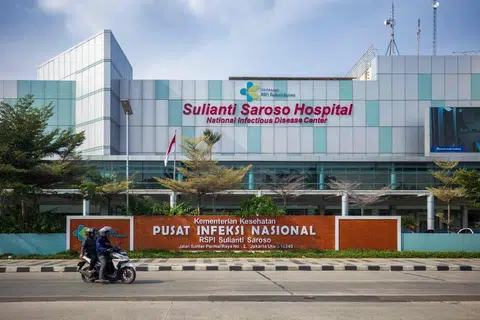
Indonesia has stepped up monitoring at its international entry points after the World Health Organization (WHO) declared the Ebola outbreak in Africa an international health emergency.
Indonesia has stepped up Ebola surveillance at border checkpoints and other international entry points following the World Health Organization’s (WHO) global emergency alert over a fresh Ebola outbreak in Africa. The health ministry said it is now closely monitoring travellers, especially those arriving from outbreak‑affected countries, and is ready to refer any suspected cases to designated hospitals and through the national emergency‑response system.
“We are closely monitoring travellers, particularly from outbreak-affected countries. Suspected cases will be referred to designated hospitals and reported through the national emergency response system,” the Indonesian Health Ministry’s communications chief Aji Muhawarman told the Antara news agency on May 18.
The government is also coordinating with hospitals and public health agencies to improve early detection and response capacities, he added.
Mr Aji said the Health Ministry was expanding public education and risk communication efforts through its official Ebola information portal to curb misinformation and prevent panic.
On May 17, the WHO declared the Ebola outbreak in Africa a public health emergency of international concern, the second-highest level of alert under international health regulations.
This underscored the need for global vigilance, Mr Aji said, even though the health body stopped short of classifying it as a pandemic
The declaration reflects cross-border transmission, high mortality rates and continuing uncertainty over the outbreak’s scale and development,” he said.
The current outbreak is so far limited to the Democratic Republic of the Congo and neighbouring Uganda, with more than 90 people dying from the disease.
There is no approved vaccine or specific treatment for the disease’s Bundibugyo strain, which is causing the current outbreak.
Scientists believe Ebola spills over into humans through contact with infected animals, including chimpanzees, gorillas and bats.
It spreads between people through close, direct contact with bodily fluids from infected or contaminated materials.
Early symptoms typically start with fever, fatigue, muscle pain and headaches, before progressing to vomiting and diarrhoea.
Mr Aji urged the public to avoid contact with infected individuals, animals or contaminated objects, while travellers returning from affected countries should seek medical attention if these symptoms appear within 21 days.