
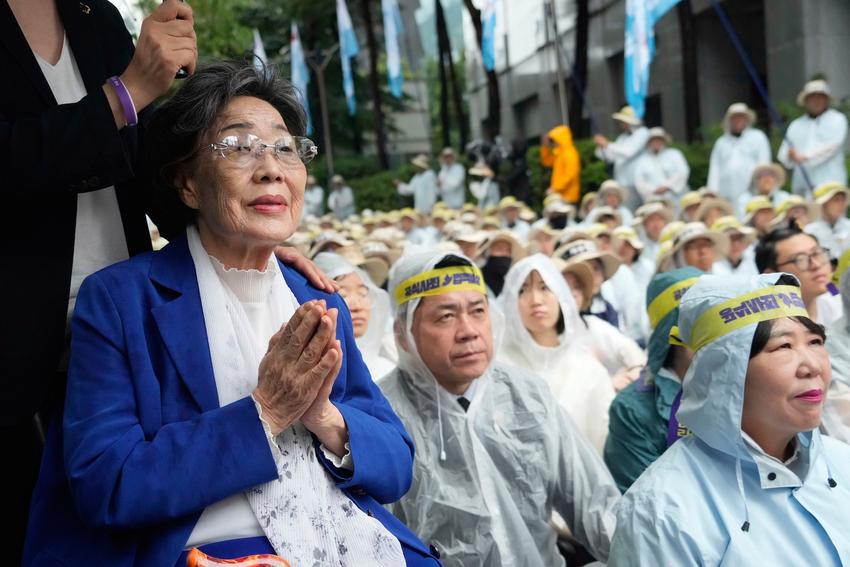
Japan and South Korea Show Enduring Rift Over Wartime Sexual Slavery in Letters to UN
Japan and South Korea remain deeply divided over the issue of wartime sexual slavery, highlighted in recent letters sent to United Nations human rights investigators. Japan’s government strongly defended its position Monday, stating that South Korean court rulings ordering Japanese compensation violate international law. Japan cited past agreements, including the 1965 treaty normalizing relations and a 2015 deal, as having settled all compensation matters related to sexual slavery victims.
The dispute reignited after a group of U.N. investigators sent letters in July to Japan, South Korea, and other countries with victims of wartime sexual slavery. The investigators criticized these nations for failing to provide survivors with truth, justice, remedies, and reparations. Japan was asked to address claims of inadequate investigations and reparations and its refusal to comply with three South Korean court rulings from 2021 to 2025 ordering compensation for victims.
South Korea responded by urging Japan to “squarely face up to our painful history,” emphasizing Tokyo’s refusal to comply with court orders as a denial of victims’ rightful payments. The dispute underscores ongoing historical grievances that continue to strain relations between the two U.S. allies in Asia, despite diplomatic efforts to stabilize ties.
Japan contends the rulings violate sovereign immunity and international agreements, while South Korean courts maintain that sovereign immunity does not excuse accountability for crimes against humanity on Korean soil. Some South Korean experts and survivors have called for the dispute to be taken to the U.N.’s International Court of Justice, though no formal action has been taken.
Historians estimate tens of thousands of women, mainly Korean, were forced into sexual slavery by Japanese troops during World War II. At the time of the 2015 agreement, 46 victims remained alive, but only six survive today, highlighting the urgency expressed by survivors and advocates for justice and recognition.
This ongoing rift exemplifies the complexity and sensitivity of historical wartime issues that continue to impact Japan-South Korea relations in the present day.
5wiw7g