
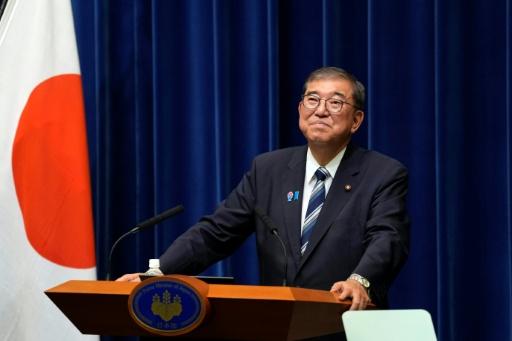
On October 4, the ruling party of Japan will select a new leader.
Prime Minister Shigeru Ishiba resigned following severe election setbacks, and the ruling Liberal Democratic Party (LDP) of Japan will choose a new leader on October 4, the party’s election committee announced Tuesday.
Since the LDP is the largest party in parliament and the opposition is still divided, the party president may be the next prime minister.
Since its founding in 1955, the party has ruled Japan for all but four of those years.
Ichiro Aisawa, the head of the election committee, announced on Tuesday that after a 12-day campaign period, a notice would be sent out on September 22 and the votes would be counted.
The schedule will be formally approved on Wednesday, he said.
Toshimitsu Motegi, a former foreign minister, was the first candidate Monday to join the race to be Japan’s next leader.
Veteran female nationalist and former economic security minister Sanae Takaichi, and current agriculture minister Shinjiro Koizumi — the telegenic son of a former prime minister — are seen among other potential candidates in the race.
Whoever wins will face a host of complex issues including a rapidly aging population, colossal national debt and a faltering economy plagued by rising inflation.
The election will be open to ordinary members of the LDP.
Shunichi Suzuki, the LDP general affairs chief, said the party must be careful to reflect their voices, given intense public outrage over recent corruption scandals involving lawmakers.
“In this election, whether the LDP can rise or fall is at stake,” Suzuki told a press conference.
The leadership election will be an opportunity for the party to reform itself, said Hiroshi Moriyama, the LDP secretary general who served under Ishiba.
“I think this presidential election is an important opportunity for our party to make a fresh start… and move forward as a national party for a new era,” he said.
The LDP’s leaders usually become prime minister because of the party’s long-held legislative majority with coalition partner Komeito.
But the party over the past year lost its majority in the both houses of parliament after two major election losses under Ishiba.
Ishiba on Sunday abruptly announced that he would step down, despite earlier suggestions that he would stay on, as rifts within the party deepened over his leadership.