
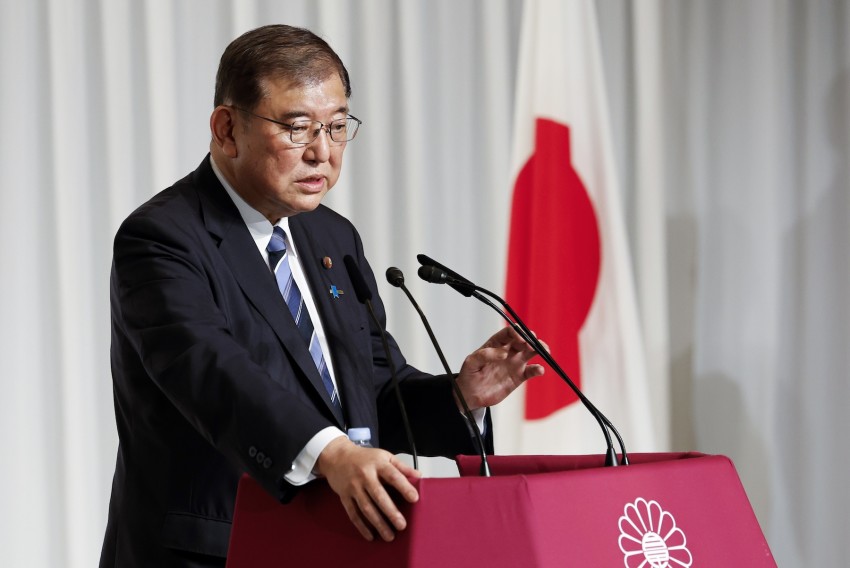
Japan’s Prime Minister Shigeru Ishiba Resigns Out of Frustration After Election Defeats
In a surprising and decisive move, Japan’s Prime Minister Shigeru Ishiba announced his resignation on Sunday, stepping down amid mounting frustration following a series of crippling electoral defeats for his Liberal Democratic Party (LDP). The party suffered historic losses in both the lower and upper house elections within less than a year of his leadership, eroding the ruling coalition’s majority and shaking Japan’s political landscape.
Ishiba, who took office in October last year with a promise to tackle inflation and reform his party, found himself increasingly isolated as internal dissent grew stronger following the July election setback, where the ruling coalition lost its majority in the upper house. Despite initially resisting calls to step down, the weight of mounting electoral failures and growing pressure from party insiders left him with little choice.
The Prime Minister expressed a sense of responsibility and exhaustion, saying that after surpassing key trade negotiation hurdles with the United States, the time had come to make way for new leadership. His resignation marks a critical moment of political uncertainty in Japan, long seen as a bastion of stability in the region.
Japan now faces the challenge of navigating economic pressures, U.S. trade relations, and regional security concerns under new leadership. The LDP is set to hold a leadership election soon to select Ishiba’s successor, who will inherit the task of restoring voter confidence and managing a deeply divided party.
Shigeru Ishiba’s departure signals the end of a turbulent chapter for the ruling party, reflecting the frustrations borne out of consecutive election failures and internal party struggles.