
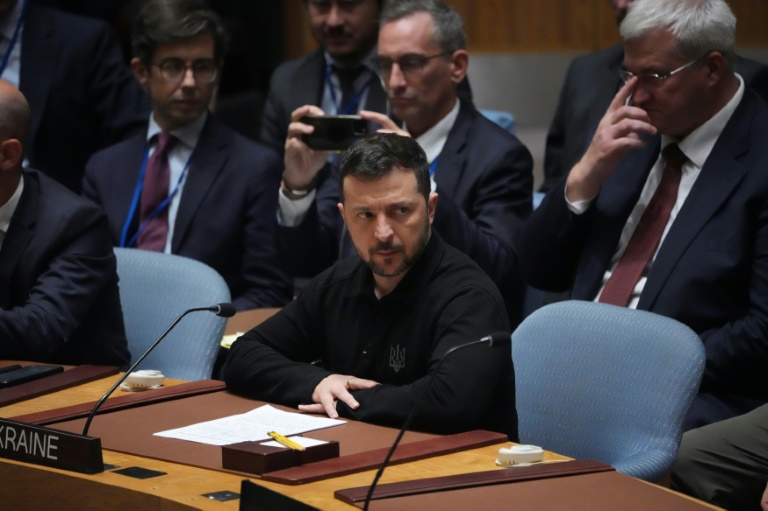
The peace plan between Russia and Ukraine is criticized by US lawmakers as being “unacceptable” and favoring Moscow.
The Trump administration’s proposed 28-point peace plan to end the conflict between Russia and Ukraine has drawn harsh criticism from prominent U.S. politicians, who have warned that the plan appears to excessively favor Moscow and could jeopardize Ukraine’s security and sovereignty.
According to reports, the contentious framework calls for Ukraine to give up control of Crimea and the eastern Donbas region, as well as to give up hopes of joining NATO. Lawmakers claim that these concessions effectively reward Russian aggression rather than hold Moscow responsible.
Several members of the Senate Foreign Relations Committee stated, “The idea that peace can come through ceding Ukrainian territory to Russia is unacceptable.” The attitude was shared by a bipartisan Congressional Ukraine Caucus, which characterized the plan as a blueprint for caving in to the aggressor rather than achieving a just settlement.
Critics point out that the proposal was developed without significant engagement with Kyiv, which resulted in strong resistance from Ukraine’s European allies as well as from Washington. They caution that giving in to Moscow’s demands could give Russian President Vladimir Putin more power and jeopardize the long-term stability of the area.
In order to address broader security concerns, the peace plan also asks for new talks between Russia and NATO under U.S. mediation; some commentators see this as caving in to Russia’s geopolitical goals.
Trump administration officials insist that the peace plan aims to put an end to the expensive fighting and create a foundation for long-term stability despite the uproar.
U.S. lawmakers insist that any peace effort must safeguard Ukraine’s sovereignty and territorial integrity rather than strengthen Moscow’s occupation because tensions are still high.