
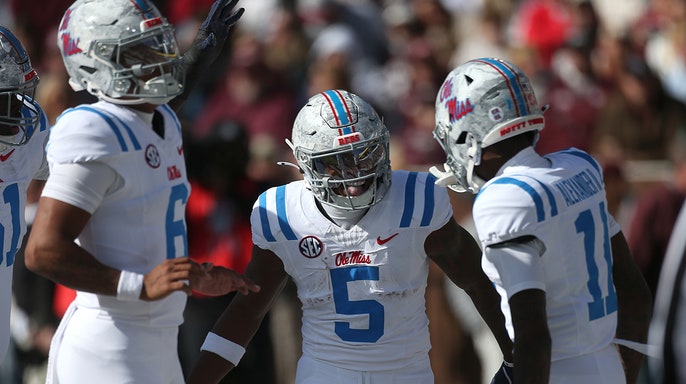
Ole Miss quarterback Trinidad Chambliss sues NCAA to get sixth season of eligibility
Ole Miss quarterback Trinidad Chambliss has filed a lawsuit against the NCAA after being denied a sixth year of eligibility. His legal team is seeking a preliminary injunction from a Mississippi court that would allow him to play one final collegiate season, according to multiple reports.
The NCAA formally rejected Chambliss’ request on January 9, citing a lack of evidence that he suffered an “incapacitating injury or illness” during the 2022 season, when he did not appear for Division II Ferris State due to reported respiratory issues.

“In November, Ole Miss submitted a waiver request for football student-athlete Trinidad Chambliss to extend his five-year Division I eligibility clock, citing an incapacitating illness or injury,” the NCAA said in a statement. “Approval requires medical documentation from a treating physician at the time of the illness or injury, which was not provided.”
The association added that records from both Ole Miss and Ferris State included only a doctor’s note from December 2022 stating Chambliss was “doing very well” since August. Ferris State also reported having no medical or injury documentation for the quarterback during that period, noting instead that he did not play due to “developmental needs and our team’s competitive circumstances.” As a result, the NCAA denied the waiver.
Ole Miss athletic director Keith Carter expressed disappointment with the decision and said the school plans to appeal. “We are disappointed with today’s announcement by the NCAA and plan to appeal the decision to the Committee level,” Carter posted on social media, including a flag emoji of Trinidad and Tobago. “Additionally, we will continue to work with Trinidad’s representatives in other avenues of support.”
Chambliss’ attorney, Tom Mars, also hinted at further legal action, arguing the case should be settled in court rather than by the NCAA. “I understand that Ole Miss will file an appeal with the NCAA. However, there’s now an opportunity to move this case to a level playing field where Trinidad’s rights will be determined by the Mississippi judiciary instead of bureaucrats in Indianapolis who couldn’t care less about the law or doing the right thing,” Mars said. “Whether to pursue that course of action is a decision only Trinidad and his parents can make.”