
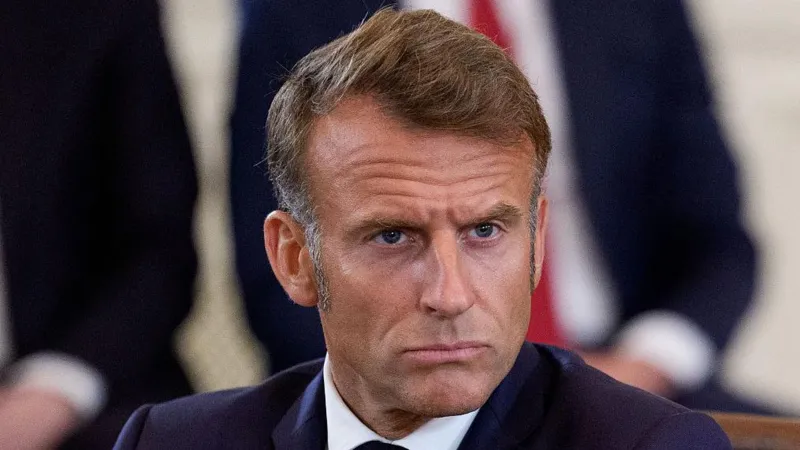
France: Macron Under Pressure to Name New Prime Minister as France Faces Political Turmoil and Protests
French President Emmanuel Macron is under intense pressure to appoint a new prime minister following the abrupt ousting of Prime Minister François Bayrou in a no-confidence vote on Monday. Bayrou’s departure marks a deepening political crisis in France as the country braces for widespread protests and strikes scheduled to begin Wednesday.
The vote of no-confidence saw 364 members of the National Assembly oppose Bayrou’s government against 194 in support, effectively toppling the administration less than a year after Bayrou took office. The dismissal stems from fierce opposition to Bayrou’s austerity budget plan, which included cutting approximately 44 billion euros ($52 billion) in government spending to reduce France’s ballooning deficit and debt. Bayrou warned lawmakers that failure to address the country’s “life-threatening” debt burden would have grave economic consequences, but his warnings failed to translate into parliamentary support.
President Macron now faces the challenge of selecting his fifth prime minister in under two years, a sign of the country’s ongoing political instability. The fragmented parliament, lacking a clear majority, complicates efforts to form a stable government capable of passing critical budget reforms. Analysts suggest Macron may consider a wider shift toward the left or establish a technocratic administration, but political resistance from both left-wing and right-wing factions remains high.
Adding to the volatility, a grassroots movement named “Bloquons Tout” (“Let’s Block Everything”) has called for nationwide protests, sit-ins, and boycotts against austerity measures starting September 10. The government is deploying a large police presence amid warnings of potential unrest, with unions also planning further demonstrations later this month.
The political turmoil occurs against a backdrop of economic strain, high public debt—currently at 114% of GDP—and social dissatisfaction with government policies on welfare cuts, pension freezes, and diminishing public holidays. Discontent is shared across the political spectrum, with both far-left and far-right parties criticizing the government’s approach.
Macron has ruled out immediate elections, focusing instead on finding a new leader who can navigate France through this turbulence. But with political divisions deepened and public frustration mounting, the road ahead remains uncertain for France and its president.