
FIFA World Cup 2026 Ticket Prices Soar on Official Resale Platform
Ticket prices for the 2026 FIFA World Cup have surged dramatically on the organization’s official resale platform, with seats for several matches being offered at multiple times their original cost. The spike comes just weeks after most tickets were distributed following the close of the main sales phase in January.
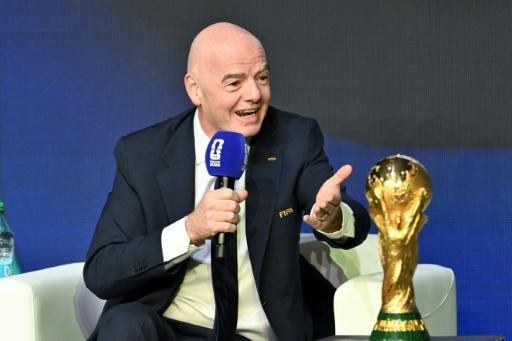
FIFA President Gianni Infantino had previously cautioned that resale listings could come with “exorbitant” price tags — and that warning appears to have come true.
As of Wednesday, a Category Three seat for the opening match between Mexico and South Africa at Mexico City’s iconic Azteca Stadium on June 11 was listed at $5,324, far above its initial $895 price. Even more staggering, a similar seat for the World Cup final on July 19 at MetLife Stadium in East Rutherford, New Jersey, was advertised for $143,750 — more than 41 times its original face value of $3,450. The lowest-priced ticket for the final currently costs $9,775 on the resale site.
In rare cases, some resale prices have dropped. A ticket for the Austria–Jordan group stage match at Levi’s Stadium in California — host of this year’s Super Bowl — is now listed at $552, below the original $620 price.
For many fans globally, these inflated prices are further proof of what supporters’ groups have long criticized.
“These exorbitant prices don’t surprise me,” said Guillaume Aupretre, spokesperson for the French fan group Irresistibles Français, which has nearly 2,500 members. “It’s exactly what we’ve been fighting against — people buying tickets just to resell them. In the end, the real fans are the ones who pay the price.”
Despite outrage over the costs, demand remains enormous. FIFA says it has received around 500 million ticket requests worldwide. Its official resale platform, which operates with FIFA’s backing but is driven by fan-to-fan listings, charges a 15% transaction fee and allows resellers to set their own prices.
“Overall, the pricing model for FIFA World Cup 2026 aligns with international practices for major entertainment and sporting events,” FIFA said in a statement. “We remain committed to ensuring fair access for all fans.”
In the United States and Canada, ticket resales are unregulated, while in Mexico selling tickets above face value is technically illegal — but only for purchases made domestically in pesos.
The rising ticket costs have reignited criticism from fan organizations such as Football Supporters Europe, which accused FIFA of a “monumental betrayal” of everyday supporters. In response, FIFA introduced a limited batch of $60 tickets reserved for official supporters’ groups, though critics argue the measure barely scratches the surface of the affordability issue.
FIFA began notifying applicants on February 5 about their allocations from the second sales phase, which ended in January. The final “last-minute” sales window will run from April until the end of the tournament and will operate on a first-come, first-served basis. Prices during each sales phase follow a “variable pricing” approach based on demand and ticket availability. FIFA clarified, however, that it does not use “dynamic pricing,” meaning prices aren’t automatically adjusted in real time.